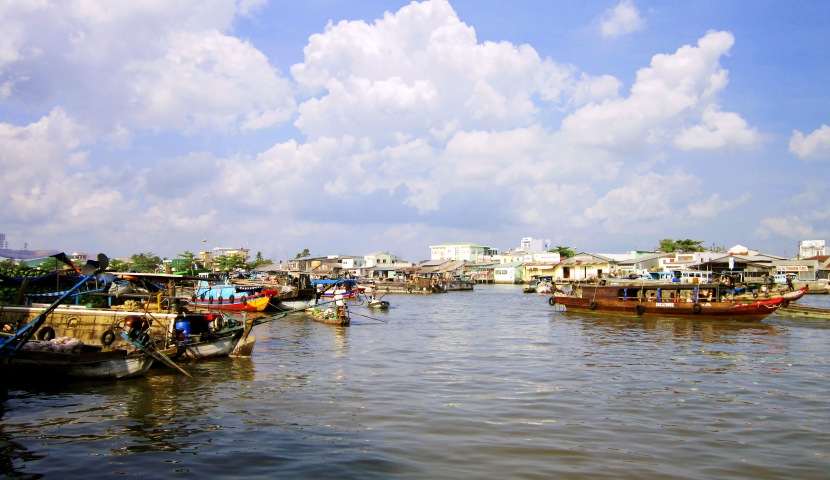
Hello, I'm coming to Hanoi with 1 friend 19.09. I'm thinking about 1 day trip from Hanoi to Long Coc. Would it be possible to...
The Mekong Delta is one of the most fascinating regions of Vietnam, where mighty rivers flow through lush rice fields, coconut groves, tropical fruit orchards, and peaceful villages. Known locally as Đồng bằng sông Cửu Long, this fertile region offers a glimpse into a slower pace of life, where boats remain an essential part of daily transportation and traditional customs continue to shape local communities.
For travelers seeking authentic cultural encounters, beautiful waterways, and delicious regional cuisine, the Mekong Delta is an unforgettable destination. From the coconut-lined canals of Ben Tre to the lively floating markets of Can Tho and the colorful temples of Chau Doc, every destination reveals a different side of southern Vietnam.
In this guide, Ama Journey introduces the top places to visit in the Mekong Delta, the best activities to experience, and practical advice on when to plan your journey.
1. About the Mekong Delta
2. Top Places to Visit in the Mekong Delta
2.1. Ben Tre – The Land of Coconut Groves
2.2. Vinh Long – Discover Life on the River Islands
2.3. Can Tho – Experience the Famous Cai Rang Floating Market
2.4. Sa Dec – Flower Gardens and Colonial-Era Charm
2.5. Long Xuyen – A Glimpse of Everyday Mekong Life
2.6. Chau Doc – Cultural Diversity and Tra Su Cajuput Forest
2.7. Bac Lieu – Southern Heritage and Coastal Landscapes
2.8. Soc Trang – Khmer Pagodas and Colorful Traditions
3. Top Activities to Do in the Mekong Delta
3.1. Enjoy a Boat Trip on the River
3.2. Visit Tropical Fruit Orchards
3.3. Explore Birdlife and Wetland Habitats
3.4. Go Cycling on the River Islets
3.5. Taste the Specialties of the Mekong Delta
3.6. Discover the Floating Markets
3.7. Enjoy a Homestay Experience
4. What Is the Best Time to Visit the Mekong Delta?
5. Discover the Mekong Delta with Ama Journey
*****
1. About the Mekong Delta
Located in southern Vietnam, the Mekong Delta is formed by the Mekong River as it divides into a network of branches, canals, and smaller waterways before reaching the sea. The region's fertile alluvial soil supports extensive rice cultivation, fruit orchards, coconut plantations, and aquaculture, making it one of Vietnam's most important agricultural areas.
However, the Mekong Delta is much more than a landscape of farms and rivers. It is home to a rich cultural mix of Vietnamese, Khmer, Chinese, and Cham communities, each contributing to the region's architecture, cuisine, religious traditions, and everyday life.
Life here revolves around the water. Farmers tend their orchards, fishermen work along the riverbanks, and merchants transport fresh produce between towns and floating markets. Visitors can explore narrow canals by traditional sampan, cycle through quiet countryside lanes, visit family-run workshops, and enjoy fresh tropical fruits straight from the garden.
Unlike Vietnam's mountainous north or its busy coastal cities, the Mekong Delta invites travelers to slow down and appreciate the simple pleasures of rural life. Whether you have one day or several nights, the region offers rewarding experiences for couples, families, photographers, and cultural explorers.
2. Top Places to Visit in the Mekong Delta
2.1. Ben Tre – The Land of Coconut Groves
Ben Tre is one of the best places to discover the peaceful countryside of the Mekong Delta. Famous for its extensive coconut plantations, the destination is characterized by winding waterways, shaded village paths, and small communities living close to the river.
A boat trip through Ben Tre's canals offers a wonderful introduction to local life. Along the way, visitors can see coconut trees lining the riverbanks, observe traditional handicraft production, and learn how local families make products from coconuts.
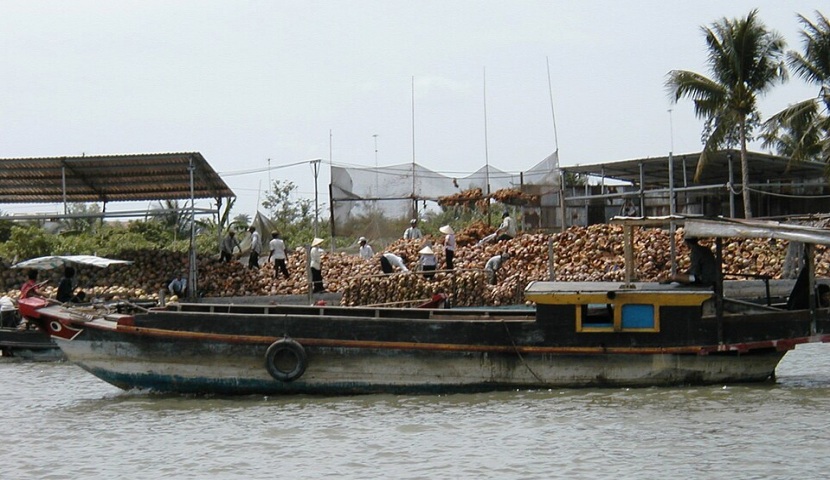
Locals working with Coconet husks in Ben Tre, Mekong Delta river, Vietnam
Cycling is another excellent way to explore the area. Ride along narrow paths beneath tropical trees, pass small farms and village homes, and stop to chat with local residents. For a more immersive experience, spend a night at a riverside homestay and enjoy home-cooked Mekong Delta specialties.
Ben Tre is particularly suitable for travelers who prefer authentic rural experiences over busy tourist attractions.
Ben Tre is best for: Coconut groves, boat trips, cycling, local crafts, and peaceful homestays.
2.2. Vinh Long – Discover Life on the River Islands
Situated between major branches of the Mekong River, Vinh Long is known for its fertile islands, fruit orchards, traditional villages, and river-based lifestyle.
One of the highlights is An Binh Island, where visitors can travel by boat through narrow canals and explore gardens filled with seasonal tropical fruits. Depending on the season, you may taste rambutan, longan, pomelo, or other locally grown produce.
Vinh Long is also an appealing destination for cultural encounters. Some family-run workshops demonstrate traditional crafts, while village visits offer insight into the everyday routines of farmers and artisans. Travelers interested in regional architecture and pottery can also explore the wider area around Mang Thit, historically known for its brick kilns and ceramics.
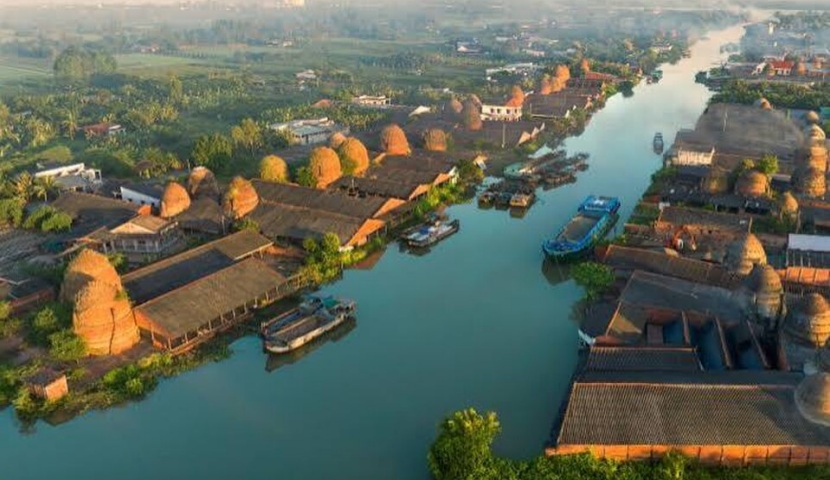
Mang Thit brick Kilns along Co Chien river, Vinh Long
For a deeper understanding of the Mekong Delta, consider combining a boat excursion with cycling and a home-cooked lunch prepared by a local family.
Vinh Long is best for: Fruit orchards, island exploration, traditional crafts, and community-based tourism
2.3. Can Tho – Experience the Famous Cai Rang Floating Market
Can Tho is one of the most popular destinations in the Mekong Delta and an excellent base for first-time visitors. Although it is a lively urban center, the surrounding waterways, orchards, and villages retain the relaxed character of the river region. Vietnam Tourism
The city's most famous attraction is Cai Rang Floating Market, where boats gather in the early morning to trade fruit, vegetables, and other goods. To experience the market at its liveliest, set out by boat before sunrise. You can watch vendors transfer produce between vessels and enjoy a local breakfast while drifting along the river.
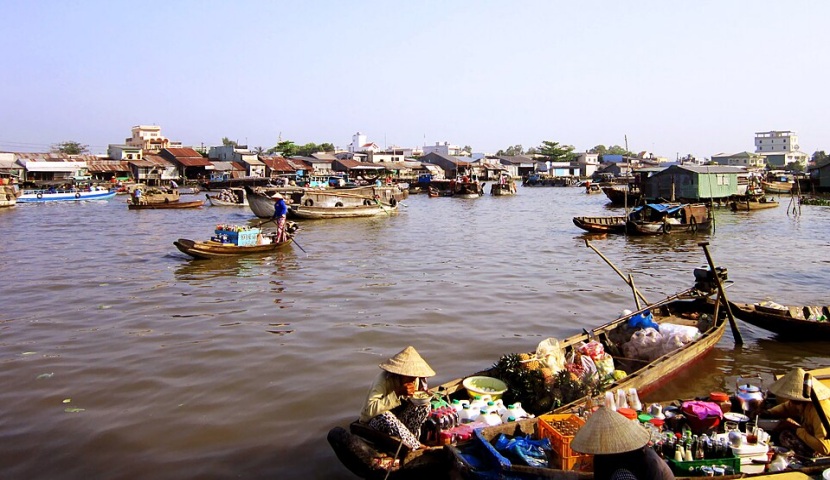
The vibrant Cai Rang floating market on Mekong River
Beyond the market, visit Binh Thuy Ancient House to admire its blend of Vietnamese and European architectural influences. You can also explore nearby villages, visit rice noodle workshops, or cycle through quiet countryside lanes.
Can Tho is an ideal choice for travelers who want to combine traditional river life with comfortable accommodation, good restaurants, and convenient transport connections.
Can Tho is best for: Cai Rang Floating Market, river cruises, local food, and easy access to the countryside.
2.4. Sa Dec – Flower Gardens and Colonial-Era Charm
Sa Dec is a charming riverside town with a distinctive character, known for its flower-growing tradition, old houses, and literary connections.
The Sa Dec Flower Village is one of the town's main attractions. Its nurseries and gardens cultivate a wide variety of ornamental plants and flowers, creating colorful scenes that are especially appealing to photographers. During the days leading up to Tet, the Vietnamese Lunar New Year, the flower trade becomes particularly lively.
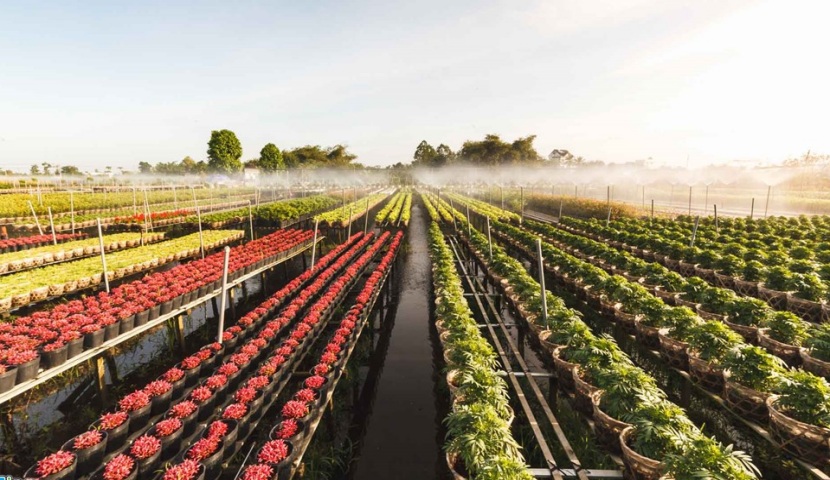
A colorful flower field in Sa Dec
History lovers can visit Huynh Thuy Le Ancient House, associated with the story of French writer Marguerite Duras and her novel The Lover. The town's riverside streets, traditional markets, and historic buildings provide further opportunities to explore its cultural heritage. Vietnam Tourism
Sa Dec is a rewarding stop for travelers who appreciate photography, local architecture, gardening, and destinations that feel less hurried than the region's major tourist centers.
Sa Dec is best for: Flower gardens, photography, historic houses, and a relaxed riverside atmosphere.
2.5. Long Xuyen – A Glimpse of Everyday Mekong Life
Long Xuyen offers a less tourist-oriented introduction to the Mekong Delta. Located along the Hau River, the city is known for its bustling riverfront, local markets, and communities whose livelihoods remain closely connected to the water.
One of the area's highlights is Long Xuyen Floating Market. Visiting early in the morning allows travelers to observe local trading activities and see how river commerce continues to support nearby communities.
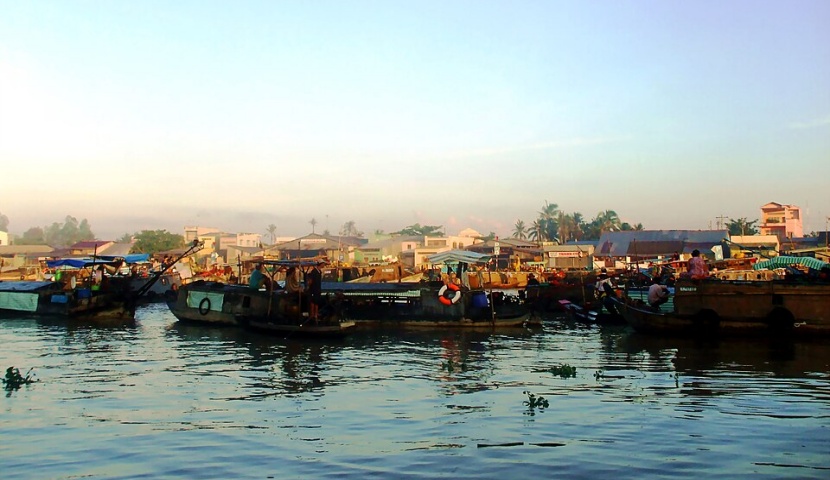
Authentic Long Xuyen floating market in the early morning
Nearby countryside areas and river islands offer opportunities for boat trips, cycling, and visits to agricultural communities. Rather than focusing on large attractions, a visit to Long Xuyen is about observing everyday life and appreciating the rhythms of a working river town.
For travelers seeking a more independent and less commercial experience, Long Xuyen can be an interesting stop between Can Tho and Chau Doc.
Long Xuyen is best for: Local markets, river culture, photography, and off-the-beaten-path experiences.
2.6. Chau Doc – Cultural Diversity and Tra Su Cajuput Forest
Situated near the Cambodian border, Chau Doc is one of the most culturally diverse destinations in the Mekong Delta. Vietnamese, Khmer, Cham, and Chinese communities have contributed to its distinctive cultural landscape, visible in its religious sites, traditional neighborhoods, and local cuisine.
Sam Mountain is an important spiritual destination, with temples and pagodas set against the surrounding plains. Visitors can explore Ba Chua Xu Temple and Tay An Pagoda, or visit Cave Pagoda for views of the countryside.
Nature lovers should make time for Tra Su Cajuput Forest, a wetland landscape where small boats travel through waterways shaded by cajuput trees. The forest is known for its aquatic vegetation and birdlife, making it an attractive destination for photographers and wildlife enthusiasts. Vietnam Tourism
Chau Doc is especially appealing to travelers who want to combine nature, spirituality, and cultural encounters. Its location also makes it a potential stop for journeys connecting Vietnam with Cambodia, subject to the available transport arrangements.
Chau Doc is best for: Cultural diversity, temples, wetland landscapes, birdwatching, and cross-border itineraries.
2.7. Bac Lieu – Southern Heritage and Coastal Landscapes
Bac Lieu offers a different perspective on the Mekong Delta, with a heritage shaped by rice cultivation, coastal environments, and a blend of Vietnamese, Khmer, and Chinese influences.
One of its best-known landmarks is the Bac Lieu Wind Farm, where rows of wind turbines stand against the open coastal sky. The setting is particularly photogenic in the early morning and late afternoon.
In the city, visitors can explore Bac Lieu Prince's House, a historic residence associated with the famous local figure commonly known as the Prince of Bac Lieu. The building offers a glimpse into the lifestyle and architecture of a wealthy southern Vietnamese family during the early twentieth century.
Depending on your interests, you can also explore local markets, sample regional seafood, and discover the area's cultural traditions. Bac Lieu is worth considering for travelers who have extra time to venture beyond the Mekong Delta's more frequently visited destinations.
Bac Lieu is best for: Heritage architecture, coastal scenery, photography, and local cuisine.
2.8. Soc Trang – Khmer Pagodas and Colorful Traditions
Soc Trang is an excellent destination for discovering the cultural heritage of the Khmer community in southern Vietnam. Its religious architecture, festivals, and food traditions give the town a distinctive identity within the Mekong Delta.
One of the most recognizable landmarks is Som Rong Pagoda, known for its impressive architecture and striking reclining Buddha statue. Visitors can also explore other Khmer pagodas in the surrounding area to learn more about Buddhist practices and local craftsmanship.
If your itinerary coincides with the Ok Om Bok Festival, you may have an opportunity to experience traditional celebrations associated with Khmer culture and gratitude for the harvest and the moon. Festival dates follow the lunar calendar, so arrangements should be checked in advance.
Soc Trang is also a good place to sample regional specialties, including local noodle dishes and traditional Khmer-influenced foods. For travelers interested in cultural diversity, the town offers an enriching contrast to the river scenery and fruit orchards found elsewhere in the delta.
Soc Trang is best for: Khmer temples, cultural traditions, festivals, and distinctive regional cuisine.
3. Top Activities to Do in the Mekong Delta
3.1. Enjoy a Boat Trip on the River
Traveling by boat is one of the most memorable ways to discover the Mekong Delta. Cruise along broad rivers, enter narrow canals shaded by tropical vegetation, and observe boats carrying agricultural produce between villages.
Depending on your destination, you can choose a larger boat for river journeys or a small traditional sampan for quieter waterways. Early morning and late afternoon often provide beautiful light for photography.
3.2. Visit Tropical Fruit Orchards
The delta's fertile soil supports a wide variety of tropical fruits. Visit a family-run orchard to learn about local farming methods, walk beneath fruit trees, and taste seasonal produce freshly picked from the garden.
Fruit availability varies throughout the year, so each visit can offer a slightly different experience.
3.3. Explore Birdlife and Wetland Habitats
The Mekong Delta contains important wetlands and habitats for numerous bird species. Places such as Tra Su Cajuput Forest and other protected wetland areas are particularly rewarding for nature lovers.
For a responsible wildlife experience, travel with a local guide, keep a respectful distance from birds, and avoid disturbing nesting areas. Sightings depend on the season and local conditions.
3.4. Go Cycling on the River Islets
Cycling along the small paths of the Mekong Delta is a wonderful way to experience rural life at a slower pace. Ride through coconut groves, pass wooden houses and gardens, and discover small villages that are difficult to appreciate from a vehicle.
The flat terrain makes many routes suitable for casual cyclists and families, although road surfaces and traffic conditions vary. A local guide can help select a route that matches your comfort level.
3.5. Taste the Specialties of the Mekong Delta
Food is an essential part of any journey through the region. Try hu tieu noodle soup, fresh river fish cooked in a clay pot, grilled fish, coconut-based dishes, and seasonal tropical fruits.
Each destination has its own specialties, influenced by local ingredients and cultural traditions. Visiting a market or enjoying a home-cooked meal is often one of the best ways to discover these flavors.
3.6. Discover the Floating Markets
Floating markets are among the most iconic cultural experiences in the Mekong Delta. Cai Rang in Can Tho is the best-known example, while Long Xuyen offers a different atmosphere.
These markets are working trading places rather than staged attractions. Activity varies by day and season, and some markets have become quieter as road transport and modern distribution systems have expanded. Arriving early gives you the best chance to see the river trade in action.
3.7. Enjoy a Homestay Experience
Spending a night in a local homestay allows you to experience the delta beyond its main attractions. Wake up to the sounds of the countryside, enjoy a traditional breakfast, and learn about local food and daily routines from your hosts.
Accommodation styles range from simple family-run guesthouses to more comfortable garden lodges. Choose a place that suits your preferences and supports responsible, community-based tourism.
4. What Is the Best Time to Visit the Mekong Delta?
The Mekong Delta has a tropical climate, with warm temperatures throughout the year and two main seasons: the dry season and the rainy season. The best time to visit depends on whether you prioritize comfortable weather, fruit orchards, floating markets, or wetland landscapes. Vietnam Tourism
Dry Season: December to April
The dry season is generally the most convenient period for sightseeing, cycling, and boat trips. Rainfall is lower, and outdoor activities are often easier to arrange.
This is a good time to explore Can Tho's floating market, visit Ben Tre's coconut groves, and travel between destinations by road. However, temperatures can be hot, especially toward the end of the dry season, so bring sun protection and drink plenty of water.
Rainy Season: May to November
The rainy season brings afternoon showers and more humid conditions, but it also transforms the landscape. Orchards become especially rewarding during the fruit season, while rising water levels create distinctive scenery in some wetland areas.
Rain does not necessarily prevent travel, although heavy showers may affect outdoor activities. Flexible schedules and suitable rain protection are advisable.
When Should You Visit for Specific Experiences?
• Floating markets and comfortable sightseeing: December to April is generally a good choice.
• Tropical fruit orchards: May to August can be especially rewarding, depending on the fruit and location.
• Wetland scenery and seasonal birdlife: September to November can be attractive in areas such as Tra Su, subject to water levels and wildlife conditions.
• Khmer cultural festivals: Check the lunar calendar and local festival dates before booking.
There is no single perfect month for every destination. The right time depends on the experiences you want to prioritize.
5. Discover the Mekong Delta with Ama Journey
The Mekong Delta is best experienced at a relaxed pace, with time to explore its waterways, meet local communities, taste regional specialties, and discover the differences between its towns and villages.
Whether you are interested in the coconut groves of Ben Tre, the floating markets of Can Tho, the cultural heritage of Chau Doc, or the flower gardens of Sa Dec, a well-planned itinerary can help you experience the region beyond its main tourist stops.
At Ama Journey, we design private, tailor-made tours to match your interests, travel style, and schedule. From boat trips and countryside cycling to local food experiences and overnight stays, we can help you create a meaningful journey through southern Vietnam.
Contact Ama Journey to plan your private Mekong Delta tour and discover the authentic charm of Vietnam's river country.

