


Hello, I'm coming to Hanoi with 1 friend 19.09. I'm thinking about 1 day trip from Hanoi to Long Coc. Would it be possible to...
Tet Nguyen Dan (Lunar New Year) isn't just about ringing in a fresh year - it's when Vietnamese people reconnect with their roots and cherish timeless traditions.
Through centuries of ups and downs, these Tet customs have been lovingly preserved and passed down through generations, creating the unique cultural identity of our nation. Join Ama Journey as we explore these fascinating traditional customs and their profound meanings!
1. Worshipping the Kitchen Gods - Opening the Spring season
2. Visiting ancestral graves - Honoring our roots
3. Making Banh Chung and Banh Tet - The flavor of traditional Tet
4. Spring cleaning - Out with the old, in with the new
5. Tet market shopping - The bustling preparation for spring
6. Year-end feast - The final family gathering of the year
7. Welcoming the New Year - The sacred moment of transition
8. Picking lucky charms - Bringing fortune home
9. First visitor tradition - The lucky door-opener
10. First journey of the year - A fortunate beginning
11. Temple visits - Purifying the soul
12. New year greetings and Lucky money - Sharing good wishes
2. Visiting ancestral graves - Honoring our roots
3. Making Banh Chung and Banh Tet - The flavor of traditional Tet
4. Spring cleaning - Out with the old, in with the new
5. Tet market shopping - The bustling preparation for spring
6. Year-end feast - The final family gathering of the year
7. Welcoming the New Year - The sacred moment of transition
8. Picking lucky charms - Bringing fortune home
9. First visitor tradition - The lucky door-opener
10. First journey of the year - A fortunate beginning
11. Temple visits - Purifying the soul
12. New year greetings and Lucky money - Sharing good wishes
*****
1. Worshipping the Kitchen Gods - Opening the Spring season
The 23rd day of the twelfth lunar month marks the "Kitchen Gods' journey to heaven," kicking off the Tet season. According to folk beliefs, the Kitchen Gods oversee the hearth and ensure prosperity for each household. This is when they ascend to heaven to report to the Jade Emperor about the family's deeds throughout the year.
On this day, families prepare simple yet meaningful offerings including sticky rice, chicken, sweet soups, and fruits, along with special items like carp fish, votive paper clothes, and gold paper money. After the ceremony, the carp are released into rivers with the belief that they'll carry the Kitchen Gods to heaven. It's also the perfect time for families to deep-clean their kitchens and start preparing for a complete Tet celebration.
2. Visiting ancestral graves - Honoring our roots
The custom of tending ancestral graves embodies the Vietnamese principle of "remembering one's source when drinking water." Before Tet arrives, descendants gather in their hometowns to visit and clean their ancestors' graves. This isn't just an act of filial piety - it's also a chance for different generations to reunite and reconnect with family traditions.
Grave maintenance is done meticulously, from pulling weeds and sweeping leaves to restoring tombstones. Afterward, families offer incense, cakes, and fruits while respectfully paying tribute to their departed loved ones. These sacred moments strengthen family bonds and preserve the tradition of ancestor veneration.
3. Making Banh Chung and Banh Tet - The flavor of traditional Tet
"The New Year pole, firecrackers, and green Banh Chung" - this familiar folk verse captures the irreplaceable essence of Vietnamese Tet. Banh Chung in the North and Banh Tet in the South aren't just foods - they carry deep cultural significance, tied to the legend of Banh Chung and Banh Day from the Hung Kings era.
Making Banh Chung typically begins on the 27th or 28th of the twelfth lunar month. The whole family gathers together, preparing ingredients, wrapping cakes, and staying up all night tending to the cooking pot. These hours overflow with laughter, stories about the old year, and plans for the new one, creating the warmest Tet atmosphere. The square Banh Chung symbolizes the earth, with its mung bean and pork filling wrapped in green dong leaves - truly a heartfelt gift from nature itself.
4. Spring cleaning - Out with the old, in with the new
"Sending off the old, welcoming the new" is a Vietnamese life philosophy vividly expressed through year-end house cleaning. This goes beyond mere scrubbing and sweeping - it's a spiritual practice that banishes the bad luck of the old year and prepares for the good fortune of the new one.
Every nook and cranny gets thoroughly cleaned, from ancestral altars to bedrooms and gardens. People also take the opportunity to fix minor damages, repaint walls, and refresh their spaces. Decorating homes with peach blossoms, apricot flowers, red couplets, or kumquat trees is done with great care, transforming each household into a space bursting with spring colors.
5. Tet market shopping - The bustling preparation for spring
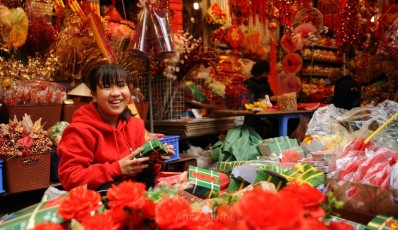
The Tet market atmosphere is one of the most distinctive features of Vietnamese culture. From late in the twelfth lunar month, markets become lively with all kinds of goods from food and new clothes to fresh flowers and decorations. These aren't just shopping venues - they're cultural spaces where people meet, chat, and soak in the Tet spirit.
Tet market shopping also means thorough preparation for the first days of the new year, as traditional beliefs discourage excessive shopping during this time. From candied fruits and watermelon seeds to new clothes, everything is carefully prepared so families can have a complete and joyful Tet celebration together.
6. Year-end feast - The final family gathering of the year
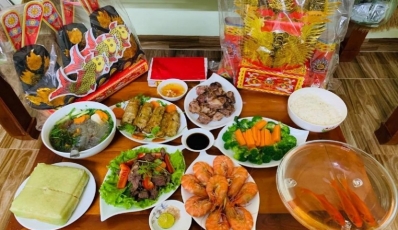
The year-end feast on New Year's Eve afternoon is the most sacred moment of the year. This is when all family members gather together to enjoy a meal featuring the offerings made to ancestors. The feast typically includes traditional dishes like boiled chicken, braised pork, Vietnamese sausage, Banh Chung, and various soups.
More than just a meal, this is when everyone reflects on the past year, sharing joys and sorrows, successes and failures. Good wishes are exchanged, warm glasses are raised in the cozy atmosphere, creating unforgettable moments for every Vietnamese family.
7. Welcoming the New Year - The sacred moment of transition
The transition moment between years is sacred - when heaven and earth harmonize, marking the passage from the old year to the new. On New Year's Eve, families prepare offerings with red sticky rice, boiled chicken, sausage, fruits, and other traditional dishes to present to ancestors, praying for a lucky and peaceful new year.
After the ceremony, the whole family gathers to watch the countdown to midnight. When firecrackers boom across the sky, everyone exchanges their best wishes, hoping the new year brings abundant luck, health, and success. This is when all the negativity of the old year is erased, and a bright future awaits ahead.
8. Picking lucky charms - Bringing fortune home
The custom of picking lucky charms at the start of spring reflects Vietnamese beliefs in luck and prosperity. After midnight or early on the first morning of the new year, people gather fresh green branches and beautiful flowers from gardens or public spaces, believing these objects bring luck and prosperity for the entire year.
Picking lucky charms carries both material and spiritual significance - it's a way for people to immerse themselves in nature and feel the fresh vitality of spring. The lucky branches are brought home and displayed in vases on ancestral altars or in living rooms, bringing fresh air and vibrant energy to the house.
9. First visitor tradition - The lucky door-opener
The first-visitor tradition is crucial on New Year's Day, reflecting the belief that the first person to enter the house after midnight brings either good or bad fortune for the whole year. Therefore, families carefully select their first visitor - usually someone kind-hearted, from a happy family, with a successful career, and whose zodiac sign is compatible with the household.
The first visitor typically brings symbolic gifts like fresh flowers, fruits, or sweets, and speaks good wishes upon entering the house. The host welcomes them warmly and prepares lucky money envelopes to give in return.
This custom isn't just spiritual - it also demonstrates respect for human relationships.
10. First journey of the year - A fortunate beginning
The first journey involves leaving the house at an auspicious hour in a favorable direction to pray for a smooth new year in work, study, and life. People typically consult calendars to choose a departure time suitable for their zodiac sign, then travel in a direction considered feng shui-friendly.
The journey doesn't have to be far - it could just be a stroll around the neighborhood or visiting relatives and friends. What matters is the positive attitude and belief in a good beginning. This custom reflects the psychology of hoping for a new year filled with success and smooth sailing in all endeavors.
11. Temple visits - Purifying the soul
Visiting temples at the start of the year is a beautiful spiritual cultural practice of Vietnamese people. Temples aren't just places to pray for blessings - they're spaces that help people calm their minds, reflect, and cultivate goodness. During the first days of the year, temples become solemn with swirling incense smoke, distant bell sounds, and thousands of worshippers.
People prepare fresh flowers, fruits, incense, and candles to offer at Buddha altars, then meditate or walk around the temple grounds, praying for a peaceful and lucky new year. Temple visits carry both religious significance and help purify the soul, preparing it to receive the good things the new year brings.
12. New year greetings and Lucky money - Sharing good wishes
"First day for father, second day for mother, third day for teachers" - this folk verse embodies the Vietnamese tradition of New Year visits. The first days of the year are opportunities for people to visit relatives, friends, and teachers, sending each other the best wishes.
Red lucky money envelopes symbolizing luck and prosperity are essential gifts during New Year visits. Elders typically give lucky money to children and younger people, wishing them a smooth new year and progress in their studies.
Giving and receiving lucky money isn't just about material value - it expresses the bonds of affection and care among family members and the community.
Vietnamese traditional Tet customs aren't merely cultural activities - they embody profound life philosophies about human morals, family affection, and faith in a better future. Through generations, these values have been preserved and passed down, creating the unique cultural identity of our nation.

