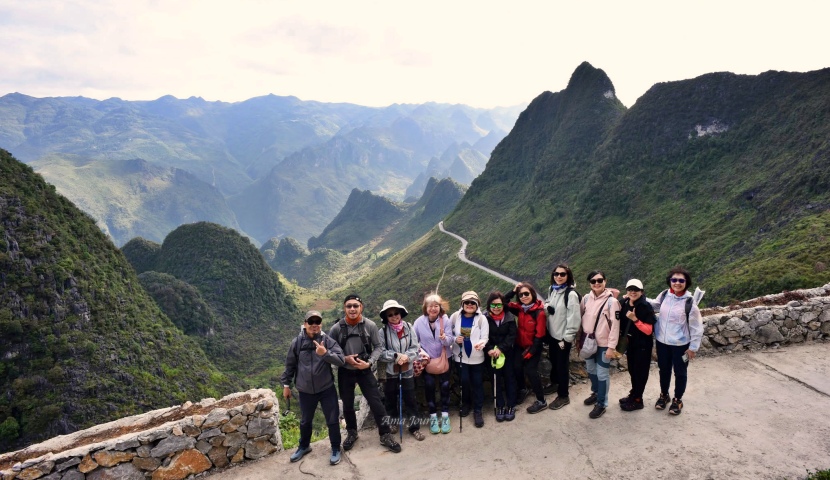

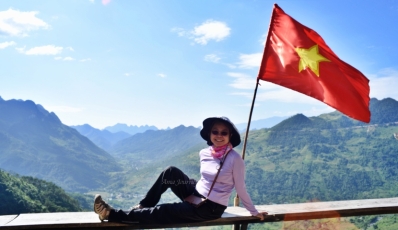
Hello, I'm coming to Hanoi with 1 friend 19.09. I'm thinking about 1 day trip from Hanoi to Long Coc. Would it be possible to...
If you are planning your first journey to Vietnam, choosing when to visit Northern Vietnam can make a remarkable difference to your experience.
Northern Vietnam is beautiful throughout the year, but autumn – particularly from September to November – offers a unique combination of golden rice terraces, cooler mountain air, dramatic landscapes and excellent conditions for outdoor activities.
For photographers, hikers, nature lovers and travelers looking for authentic cultural experiences, this can be one of the most rewarding times of the year to explore the northern mountains.
The landscape changes dramatically as the rice fields mature. Mountain valleys gradually turn from green to golden yellow, while the cooler air makes long walks through villages and rice terraces much more enjoyable. In the higher northern regions, the harvest period is not exactly the same everywhere, but September and October are generally the key months for experiencing the golden rice season.
So, why should you consider visiting Northern Vietnam in autumn?
1. Spectacular Rice Terraces During the Golden Season
2. Autumn Weather Is Perfect for Exploring the Mountains
3. A More Peaceful Side of Northern Vietnam
4. The Best Places to Visit in Northern Vietnam in Autumn
5. Recommended Northern Vietnam Itinerary
6. When Is the Best Time for Trekking in Northern Vietnam?
7. Is Autumn the Best Time to Visit Northern Vietnam?
2. Autumn Weather Is Perfect for Exploring the Mountains
3. A More Peaceful Side of Northern Vietnam
4. The Best Places to Visit in Northern Vietnam in Autumn
5. Recommended Northern Vietnam Itinerary
6. When Is the Best Time for Trekking in Northern Vietnam?
7. Is Autumn the Best Time to Visit Northern Vietnam?
*****
1. Spectacular Rice Terraces During the Golden Season
Perhaps the biggest reason to visit Northern Vietnam in autumn is the rice harvest season.
For centuries, ethnic communities in the northern mountains have shaped steep hillsides into extraordinary terraced fields. During the growing season, these terraces are bright green. As the rice ripens, however, the entire landscape gradually changes into shades of yellow and gold.
It is an incredible sight.
Imagine standing on a mountain road overlooking a deep valley, with thousands of rice terraces cascading down the slopes below you. In the early morning, soft sunlight illuminates the fields while mist hangs between the mountains.
This is the Northern Vietnam that appears on many travelers' wish lists.
Where can you see the best rice terraces?
Sapa is one of the most accessible places to experience the golden season. The Muong Hoa Valley, particularly around Lao Chai and Ta Van, offers spectacular views combined with excellent trekking opportunities.
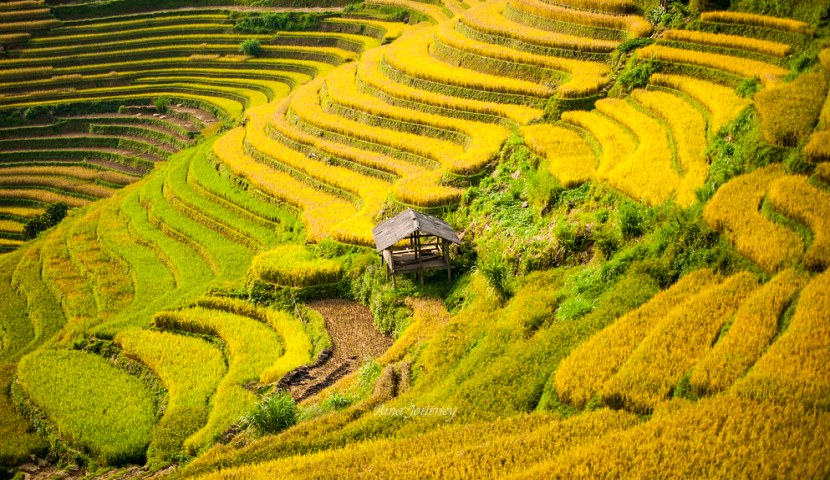
Mu Cang Chai in the autumn - Golden season
Mu Cang Chai is another exceptional destination, famous for its dramatic terraces carved into steep mountain slopes. The golden season generally begins around late September and can continue into October depending on altitude and local farming conditions.
For travelers who want something quieter, Hoang Su Phi and Mu Cang Chai offer spectacular mountain landscapes with fewer visitors and a more remote atmosphere.
One important point: the rice harvest is controlled by nature and local farming schedules, so there is no single exact date every year. If the golden terraces are the main reason for your trip, it is wise to plan around late September to early October and check local conditions closer to your departure date.
2. Autumn Weather Is Perfect for Exploring the Mountains
Another major advantage of autumn is the weather.
Northern Vietnam's summer months can be hot, humid and rainy, particularly in the mountains. By September and October, the summer heat gradually decreases and conditions become much more comfortable for outdoor activities.
In Sapa and other high-altitude destinations, mornings can be cool and refreshing, while daytime temperatures are generally comfortable for hiking and sightseeing. September can still have occasional rain, but conditions usually become more settled as autumn progresses.
This makes autumn particularly attractive for travelers who want to spend several hours walking outdoors rather than simply sightseeing from a vehicle.
You can do some activities for your trip in Northern Vietnam:
• Trek through rice terraces
• Walk between ethnic minority villages
• Cycle through mountain valleys
• Photograph local life
• Explore mountain passes
• Enjoy scenic road trips
• Stay overnight in local homestays
This is one of the greatest advantages of visiting Northern Vietnam in autumn: the weather encourages you to slow down and experience the landscape on foot.
3. A More Peaceful Side of Northern Vietnam
Sapa itself can be busy, especially during popular travel periods. However, Northern Vietnam is a huge region, and many of its most beautiful mountain areas remain relatively quiet compared with Vietnam's major cities and famous coastal destinations.
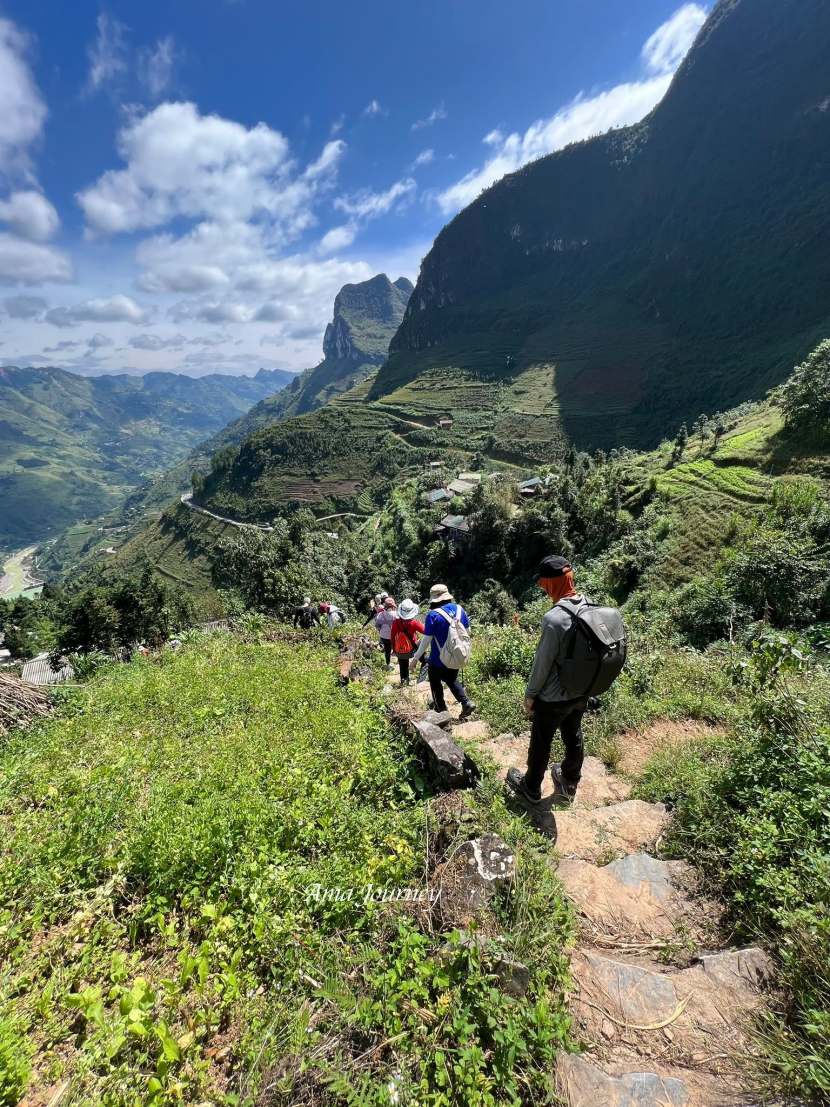
Trekking in the northern Vietnam
Once you leave the main tourist centers, the experience can change completely.
Instead of crowded attractions, you may find:
• Small mountain villages
• Quiet walking trails
• Family-run homestays
• Local markets
• Farmers working in the rice fields
• Children walking home from school
• Mountain roads with spectacular viewpoints
This is particularly true in places such as Mu Cang Chai, Hoang Su Phi and Y Ty, where tourism infrastructure is more limited and the landscapes feel much more remote.
For travelers who prefer authentic experiences rather than ticking attractions off a checklist, this is a major reason to explore beyond Sapa.
4. The Best Places to Visit in Northern Vietnam in Autumn
Northern Vietnam is too large to experience in one short trip, but several destinations stand out.
Sapa
Sapa is the easiest introduction to the mountains.
Here you can combine your activities in Sapa:
• Muong Hoa Valley
• Lao Chai
• Ta Van
• Cat Cat Village
• Fansipan
• Ethnic minority culture
• Mountain trekking
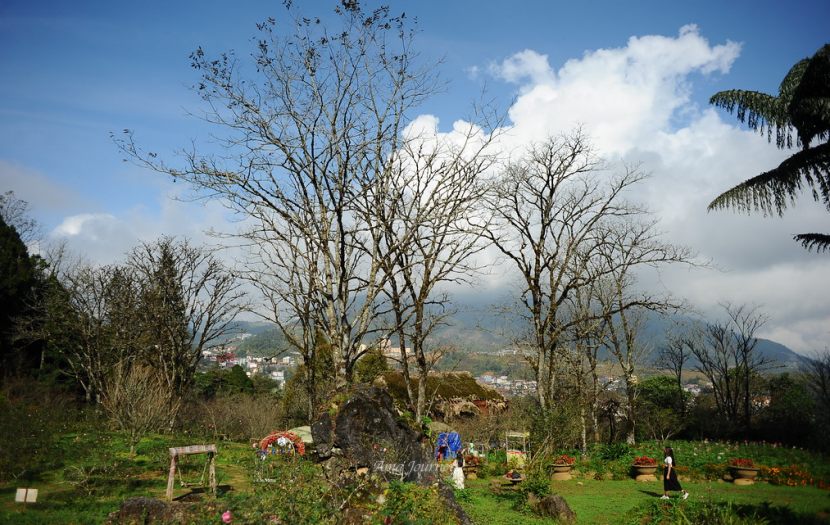
The beauty of Sapa in the autumn
Sapa is also a good choice for travelers who want to stay in comfortable hotels and resorts alongside outdoor activities.
Mu Cang Chai
If your priority is photography and rice terraces, Mu Cang Chai should be high on your list.
The terraced fields around La Pan Tan, Che Cu Nha and De Xu Phinh create extraordinary mountain landscapes during harvest season.
Ha Giang
Ha Giang offers a completely different type of scenery.
Instead of endless rice terraces, you will discover dramatic limestone mountains, deep valleys, winding mountain passes and spectacular viewpoints.
The famous Ha Giang Loop is particularly appealing to adventurous travelers.
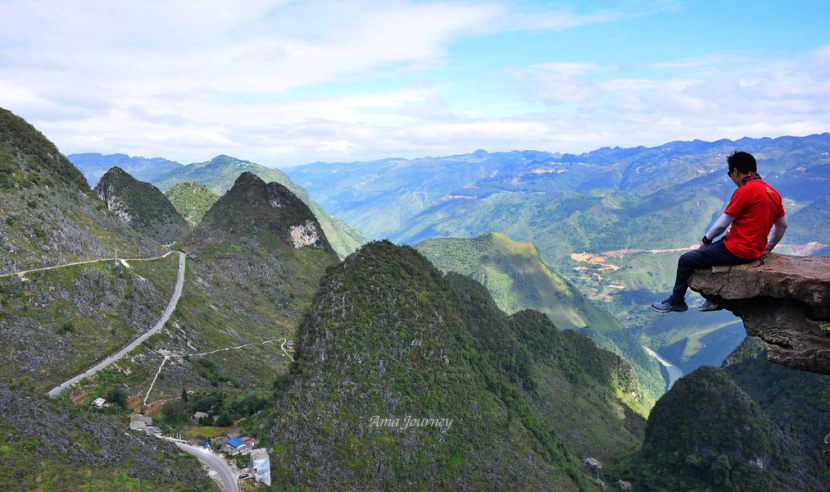
The stunning Ha Giang mountain under the blue sky in the autumn
Hoang Su Phi
For travelers searching for a quieter alternative, Hoang Su Phi is an excellent choice.
Its remote location and spectacular terraced landscapes make it particularly attractive to photographers and travelers who want to experience a less-touristy side of Northern Vietnam.
Cao Bang & Ban Gioc Waterfall
For travelers who want to discover a quieter and less-touristy side of Northern Vietnam, Cao Bang is an exceptional destination.
The province is home to dramatic limestone mountains, peaceful valleys, traditional villages and some of the most spectacular scenery in northern Vietnam.
The highlight is Ban Gioc Waterfall, one of Vietnam's most impressive natural attractions. Located on the border between Vietnam and China, the waterfall cascades over several levels surrounded by towering limestone peaks and lush vegetation.
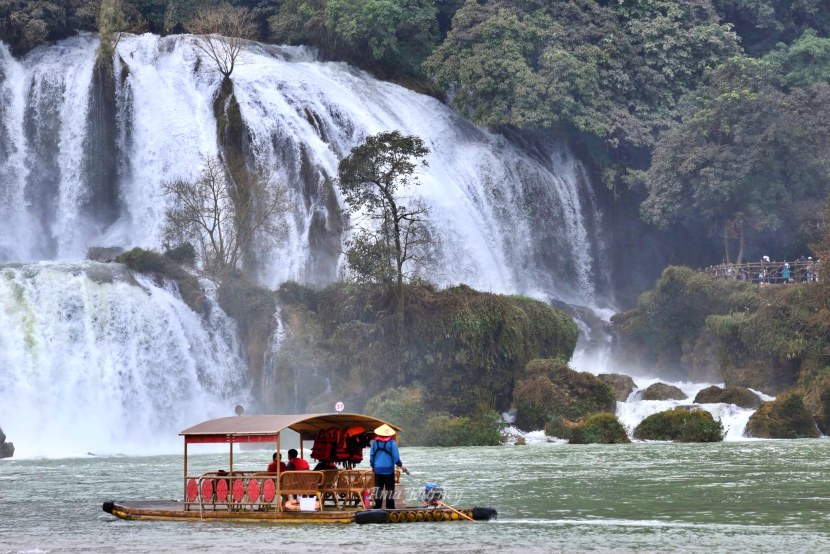
Ban Gioc Waterfall in Autumn
Autumn is a particularly beautiful time to visit Ban Gioc. The weather is generally more comfortable for exploring, while the surrounding countryside offers excellent opportunities for photography.
The journey to Cao Bang is also part of the experience. Winding mountain roads lead through remote landscapes where you can see local farmers, traditional villages and spectacular viewpoints along the way.
For travelers who enjoy scenic road trips, photography and nature, Cao Bang can be one of the highlights of a Northern Vietnam adventure.
Ba Be Lake
Another destination worth adding to your Northern Vietnam itinerary is Ba Be Lake, Vietnam's largest natural freshwater lake.
Located in a peaceful mountainous region of Bac Kan Province, Ba Be is surrounded by limestone cliffs, dense forests and small ethnic minority villages.
The best way to experience the area is by taking a boat trip across the lake, combined with hiking through the surrounding forests and villages.
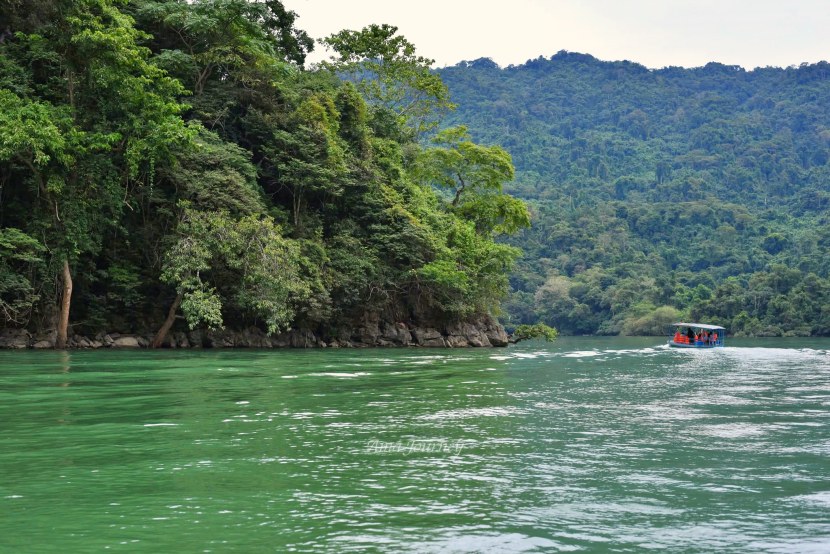
Ba Be lake in Autumn - Ama Journey Trip in Octorber 2025
You can explore caves, waterfalls and traditional Tay villages while enjoying the peaceful atmosphere of the national park.
Unlike the famous destinations of Sapa and Ha Giang, Ba Be remains relatively quiet and offers travelers a chance to experience a slower and more authentic side of Northern Vietnam.
For nature lovers, Ba Be Lake is particularly attractive because it combines water, mountains, forests, wildlife and local culture in one destination.
5. Recommended Northern Vietnam Itinerary
If you have around 10–12 days, I would recommend combining the major highlights without trying to rush through too many destinations.
Suggested 10-Day Northern Vietnam Journey
Day 1: Hanoi
Day 2: Hanoi city
Day 3: Hanoi – Nghia Lo
Day 4: Nghia Lo – Mu Cang Chai
Day 5: Mu Cang Chai trekking
Day 6: Mu Cang Chai – Sapa
Day 7: Sapa trekking
Day 8: Sapa trekking
Day 9: Sapa – Hanoi
Day 10: Hanoi – Fly home
14 days in Northern Vietnam:
For travelers with more time and a stronger interest in adventure, I would extend the journey to include Ha Giang and Ba Be Lake:
Day 1: Hanoi
Day 2: Hanoi city
Day 3: Hanoi – Nghia Lo
Day 4: Nghia Lo – Mu Cang Chai
Day 5: Mu Cang Chai trekking
Day 6: Mu Cang Chai – Sapa
Day 7: Sapa trekking
Day 8: Sapa trekking
Day 9: Sapa – Ha Giang
Day 10: Ha Giang – Dong Van
Day 11: Dong Van – Bao Lac
Day 12: Bao Lac – Ba Be Lake
Day 13: Bao Be Lake – Hanoi
Day 14: Hanoi – Fly home
This route offers an extraordinary combination of rice terraces, ethnic cultures, mountain passes, limestone landscapes and rural Vietnam.
9 day trip in northern Vietnam:
If client are interested in local culture with nature landscape: Waterfall, the itineary could be in included Ha Giang, Cao Bang – Ban Gioc waterfall – Ba Be Lake – Hanoi:
Day 1: Hanoi
Day 2: Hanoi city tour
Day 3: Hanoi – Ha Giang
Day 4: Ha Giang – Dong Van
Day 5: Dong Van – Bao Lac
Day 6: Bao Lac – Cao Bang – Ban Gioc Waterfall
Day 7: Ban Gioc waterfall – Ba Be Lake
Day 8: Ba Be Lake – Hanoi
Day 9: Hanoi – Fly home
And don't forget to include a cruise in Ha Long Bay or Lan Ha Bay in your autumn journey. It will be one of the highlights of your trip and the perfect way to relax and recharge after several days of adventurous exploration in Northern Vietnam.
6. When Is the Best Time for Trekking in Northern Vietnam?
If trekking is one of your main reasons for visiting Northern Vietnam, September and October are among the best months to consider.
The cooler temperatures make long walks more comfortable, while the landscapes are particularly beautiful during the rice harvest. Sapa's classic trekking routes through Muong Hoa Valley connect villages such as Lao Chai and Ta Van and offer a wonderful combination of scenery and cultural experiences.
However, trekking conditions can vary.
Early September can still experience occasional rain, and mountain trails can become muddy. By late September and into October, conditions generally become more favorable, although weather in mountainous areas can always change quickly.
For a comfortable trekking experience, bring:
• Good walking or trekking shoes
• Lightweight waterproof jacket
• Comfortable breathable clothing
• A small backpack
• Sun protection
• Insect repellent
• Bottle of water
And most importantly, use a knowledgeable local guide if you are exploring less-developed mountain trails.
7. Is Autumn the Best Time to Visit Northern Vietnam?
For many travelers, yes.
Northern Vietnam in autumn brings together many of the experiences that make this region so special: golden rice terraces, cool mountain air, spectacular scenery, fascinating ethnic cultures and excellent opportunities for trekking and photography.
The most important period to remember is September to October, particularly if seeing the golden rice terraces is your priority. Harvest timing varies from valley to valley and from year to year, so travelers should keep some flexibility when planning their itinerary.
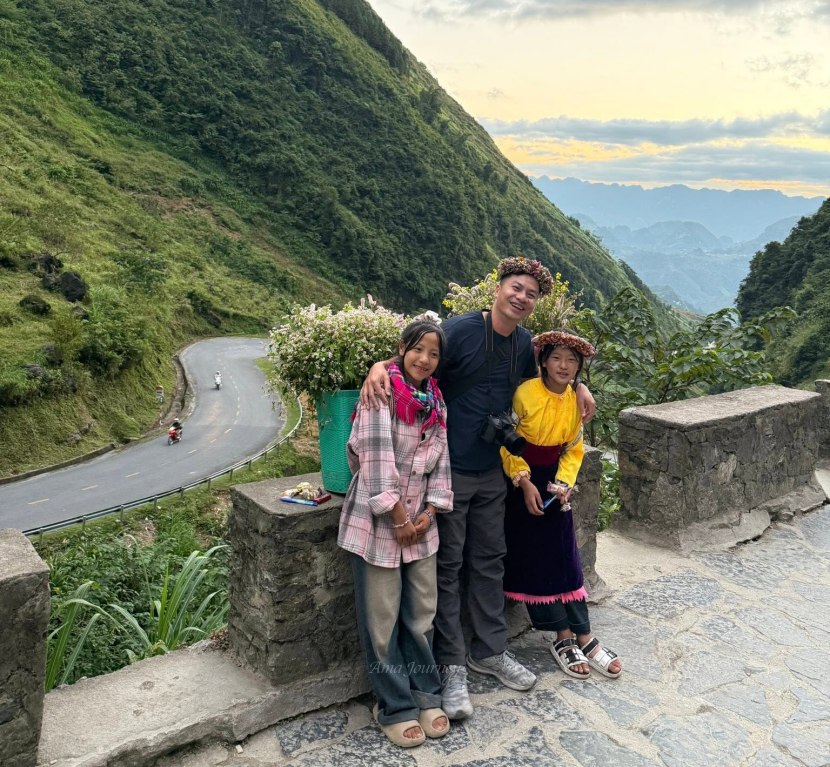
Autumn is the best time to visit Northern Vietnam
But the real magic of Northern Vietnam is not simply the scenery.
It is the experience of walking through a remote village in the mountains, meeting local people, watching farmers harvest their rice, waking up above a misty valley and realizing that you are experiencing a part of Vietnam that feels completely different from the country's busy cities.
If you love nature, hiking, photography and authentic cultural experiences, autumn may be the perfect season to discover Northern Vietnam.
Contact Ama Journey for Vietnam tailor-made private package tour. Personalized assistance and let us help you create an unforgettable journey!

