

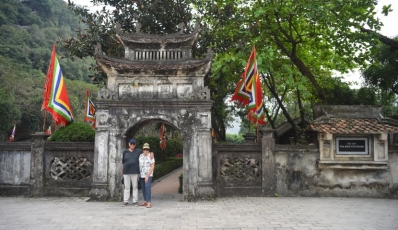
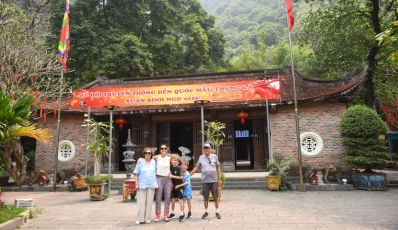
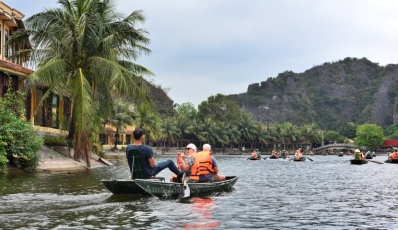
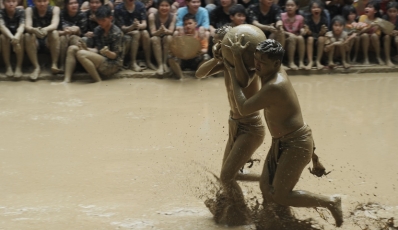
Hello, I'm coming to Hanoi with 1 friend 19.09. I'm thinking about 1 day trip from Hanoi to Long Coc. Would it be possible to...
When spring arrives, every Vietnamese heart turns toward three things: family, homeland, and the beloved dishes of Tet. This isn't just about meals - it's a story of culture, love, and togetherness.
Vietnamese Tet - More than just a meal
Tet Nguyen Dan, or Lunar New Year, is the most important celebration of the year for Vietnamese people. While much has changed and evolved with modern times, some beautiful cultural characteristics remain timeless - especially the traditional family dishes of Tet.
These gatherings aren't just where family members reunite after a tiring year; each dish carries deep human values of a nation. With incense and traditional foods, families respectfully "invite" their ancestors to join their descendants. The dishes form a simple yet delicious "bridge" between past and present. Their savory flavors mixed with the fragrant smoke create a sacred atmosphere at mealtimes. This is what we call "the flavor of Tet."
Since ancient times, Lunar New Year dishes have been celebrated in folk songs and proverbs. Everything is made from the family's agricultural products: rice from the fields, chicken from the garden, fish from the pond... The new year also helps homeowners showcase to visitors the fruits of their labor from the past year. Today, many people turn to food experts and cultural preservationists to rediscover the most remarkable traditional Tet dishes.
The reunions are filled with emotion and wonderful aromas. That's why, no matter where they are - even on the other side of the world - children try their best to gather with family around the table during Lunar New Year.
What's particularly special is that each region from North to South has its own distinctive dishes, reflecting local climate, resources, and culture. Join us on this unique culinary journey with Ama Journey!
Northern Vietnam - Elegance in every detail
Banh Chung - The soul of Northern Tet
Boiled chicken - Noble simplicity
Thit dong (Vietnamese pork aspic) - The dish of patience
Gio cha (Vietnamese ham and sausage) - Prosperity throughout the home
Xoi gac (red sticky rice) - Lucky red color
Nem ran (fried spring rolls) - "National soul and treasure"
Canh mang (bamboo shoot soup) - Natural flavors
Dua hanh (pickled onions) - Effective palate cleanser
Che con ong (Vietnamese honeycomb-shaped pudding) - Sweet and butte
Central Vietnam - Rich in character
Banh Tet (Central version)
Thit ngam mam (fish sauce marinated meat) - Uniquely unforgettable
Nem chua - Tangy and spicy
Tom chua Hue (Hue fermented shrimp) - Hue specialty
Xoi dau xanh (mung bean sticky rice) - Central tradition
Dua mon (assorted pickles) - Colorful variety
Banh lan Quang Nam (Quang Nam soft candy)
Southern Vietnam - Sweet and simple
Banh Tet (Southern version)
Thit kho tau (caramelized pork and eggs) - The soul of Southern feasts
Cha gio mien Nam (Southern fried rolls) - Crispy and tempting
Goi cuon (fresh spring rolls) - Fresh and light
Canh mang mien Nam (Southern bamboo shoot soup) - Sweet, fresh, and wholesome
Lap xuong (Chinese sausage) - Distinctive flavor
Cha lua (Vietnamese pork roll) - Simple yet refined
Dua gia (pickled bean sprouts) - Cooling and effective
Xoi vo (coconut sticky rice) - Signature coconut aroma
Banh gai (ramie leaf cake) - Preserving tradition
The deep meaning of Tet dishes
Common themes among three regions
Tips for international travelers during Vietnamese Tet
Banh Chung - The soul of Northern Tet
Boiled chicken - Noble simplicity
Thit dong (Vietnamese pork aspic) - The dish of patience
Gio cha (Vietnamese ham and sausage) - Prosperity throughout the home
Xoi gac (red sticky rice) - Lucky red color
Nem ran (fried spring rolls) - "National soul and treasure"
Canh mang (bamboo shoot soup) - Natural flavors
Dua hanh (pickled onions) - Effective palate cleanser
Che con ong (Vietnamese honeycomb-shaped pudding) - Sweet and butte
Central Vietnam - Rich in character
Banh Tet (Central version)
Thit ngam mam (fish sauce marinated meat) - Uniquely unforgettable
Nem chua - Tangy and spicy
Tom chua Hue (Hue fermented shrimp) - Hue specialty
Xoi dau xanh (mung bean sticky rice) - Central tradition
Dua mon (assorted pickles) - Colorful variety
Banh lan Quang Nam (Quang Nam soft candy)
Southern Vietnam - Sweet and simple
Banh Tet (Southern version)
Thit kho tau (caramelized pork and eggs) - The soul of Southern feasts
Cha gio mien Nam (Southern fried rolls) - Crispy and tempting
Goi cuon (fresh spring rolls) - Fresh and light
Canh mang mien Nam (Southern bamboo shoot soup) - Sweet, fresh, and wholesome
Lap xuong (Chinese sausage) - Distinctive flavor
Cha lua (Vietnamese pork roll) - Simple yet refined
Dua gia (pickled bean sprouts) - Cooling and effective
Xoi vo (coconut sticky rice) - Signature coconut aroma
Banh gai (ramie leaf cake) - Preserving tradition
The deep meaning of Tet dishes
Common themes among three regions
Tips for international travelers during Vietnamese Tet
*****
Northern Vietnam - Elegance in every detail
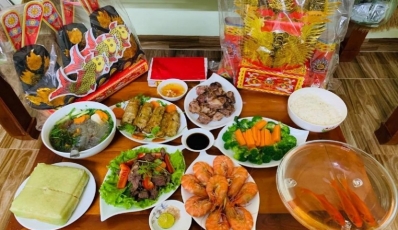
The North, with its cold winter climate, features Tet feasts that are always warm and rich in flavor. Each dish is meticulously prepared, expressing respect for ancestors and gratitude to nature.
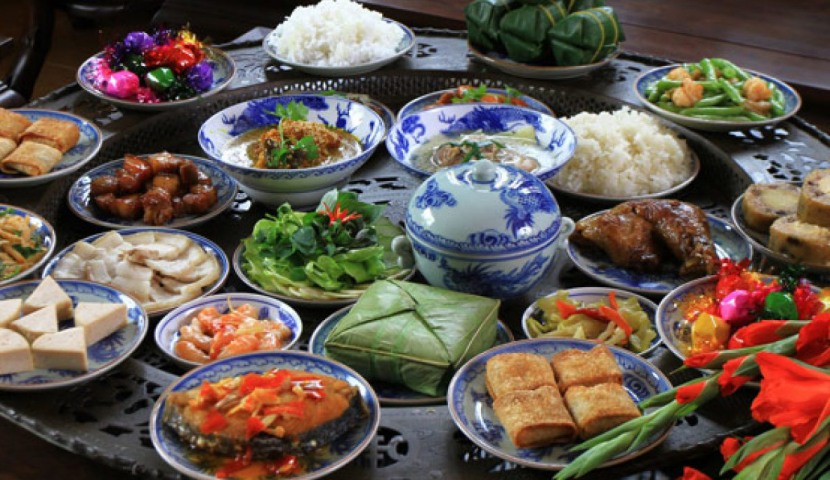
Banh Chung - The soul of Northern Tet
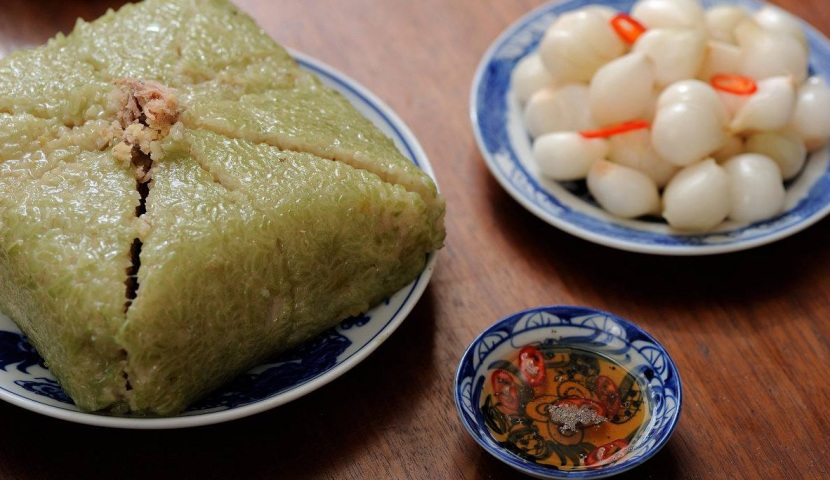
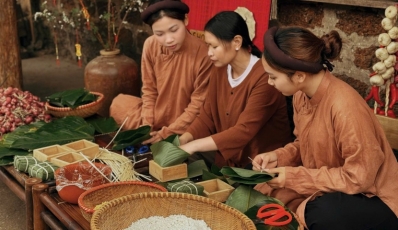
Square-shaped to symbolize the earth, banh Chung represents gratitude to heaven and earth. Made from sticky glutinous rice, buttery mung beans, and fatty pork, all wrapped in fresh green dong leaves. The aroma of banh Chung wafting from the pot during the long night of cooking is the "scent of Tet" that Northern Vietnamese never forget.
Our Vietnamese ancestors had a saying: "Fatty pork, pickled onions, red couplets / New Year pole, firecrackers, green banh Chung" - this folk verse perfectly captures the traditional Northern Tet scene.
Boiled chicken - Noble simplicity
Boiled chicken with golden skin and tender white meat is essential on the altar. Boiled whole with lemon leaves, this dish symbolizes nobility and sincere respect for ancestors.
Thit dong (Vietnamese pork aspic) - The dish of patience
Clear jelly with pieces of meat, ears, and pork skin inside, thit dong requires a full day of simmering. This dish represents purity and peace for the new year.
Gio cha (Vietnamese ham and sausage) - Prosperity throughout the home
Gio cha with its crispy-chewy texture and sweet meat flavor, wrapped in banana leaves, signifies "warmth inside, peace outside, prosperity throughout the home." This dish is typically placed at the center of the feast.
Xoi gac (red sticky rice) - Lucky red color
Sticky glutinous rice with bright red color from Gac fruit symbolizes luck and fortune. The soft, glossy rice grains, topped with a bit of shredded coconut or roasted sesame, are wishes for a new year of peace and prosperity.
Nem ran (fried spring rolls) - "National soul and treasure"
Crispy fried rice paper shells filled with pork, wood ear mushrooms, shiitake mushrooms, and mung bean sprouts. Nem ran is considered a symbol of Vietnamese cuisine, carrying wishes for abundant wealth.
Canh mang (bamboo shoot soup) - Natural flavors
A pot of bamboo shoot soup cooked with pork knuckles or bones, fragrant and rich, provides refreshment amid the heavy feast. This reflects the nature-connected eating culture of the ancients.
Dua hanh (pickled onions) - Effective palate cleanser
Sour-salty pickled onions with a tangy, slightly spicy taste are the perfect "weapon" for cutting through rich, fatty dishes. Pickled onions paired with banh Chung and thit dong are a masterpiece!
Che con ong (Vietnamese honeycomb-shaped pudding) - Sweet and buttery
Mung beans are simmered with syrup and ginger, creating a gentle sweetness, buttery texture, and mild spiciness. Enjoying che con ong with hot tea dispels winter's cold and brings relaxation.
Central Vietnam - Rich in character
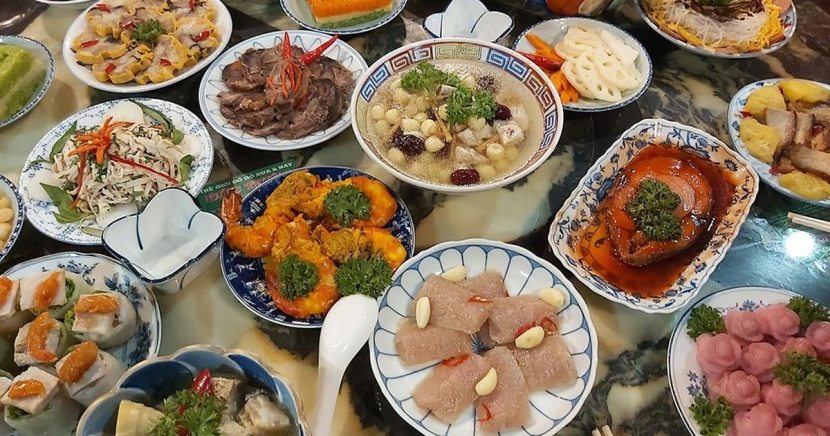
Central Vietnam's cuisine is salty and spicy, reflecting the strong character and resilience of the local people.
Banh Tet (Central version)
Unlike the square banh Chung, Central Vietnam's banh Tet is cylindrical, also made from glutinous rice, mung beans, meat, and wrapped in banana leaves. It symbolizes stability and durability.
Thit ngam mam (fish sauce marinated meat) - Uniquely unforgettable
Pork or beef marinated in fish sauce and sugar following a special recipe, creating a distinctive sweet-salty flavor. This dish paired with fresh vegetables and sweet-sour pickles becomes even more complete.
Bap bo kho mat mia (sugarcane honey braised beef shank) - Irresistibly aromatic
Beef braised with sugarcane molasses, ginger, cinnamon, and chili creates a fragrant, slightly spicy, and naturally sweet flavor. This is the ultimate "rice companion" - absolutely perfect with white rice!
Nem chua - Tangy and spicy
Hue-style nem chua with its sour taste from natural fermentation, eaten with garlic shoots, is a wonderful appetizer for the feast.
Tom chua Hue (Hue fermented shrimp) - Hue specialty
Fresh shrimp marinated with salt, galangal, garlic, and chili, then fermented for 5-7 days to create a mild, harmonious sour flavor. Not just food, fermented shrimp is also a symbol of reunion and hospitality.
Xoi dau xanh (mung bean sticky rice) - Central tradition
A blend of fragrant glutinous rice, sweet and buttery mung beans, plus shredded coconut or roasted sesame. The sticky rice isn't overly soft, maintaining its characteristic chewiness and flavor.
Dua mon (assorted pickles) - Colorful variety
Cucumber, kohlrabi, radish, carrots, and papaya carefully prepared into pickles with vibrant colors and a gentle sweet-sour taste.
Banh lan Quang Nam (Quang Nam soft candy)
A specialty made from kumquat, ginger, brown sugar, and coconut, soft and chewy with blended flavors. Perfect for nibbling with tea during Tet festivities.
Southern Vietnam - Sweet and simple
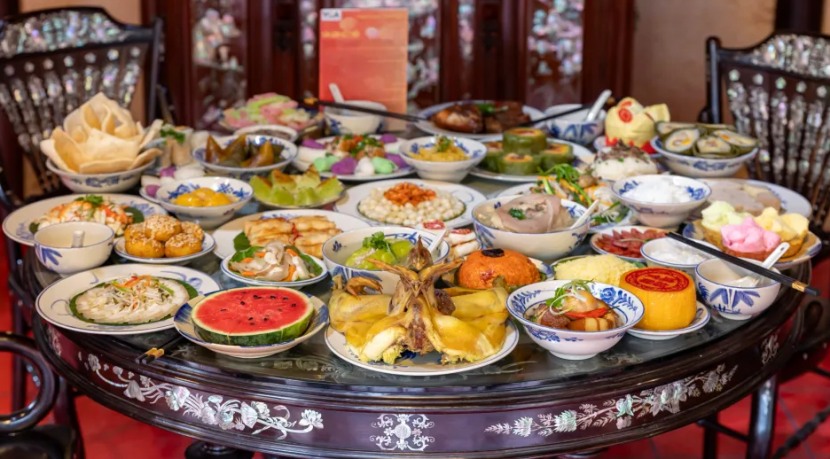
The South, with its open land and warm climate, features Tet cuisine rich in natural sweetness and harmonious balance.
Banh Tet (Southern version)
Southern banh Tet is extra special with sweet banana filling alongside the traditional savory filling. The cylindrical shape symbolizes completeness and abundance. The scene of families gathered around the fire tending the cakes all night is a beautiful image that never fades.
Thit kho tau (caramelized pork and eggs) - The soul of Southern feasts
Pork belly braised with duck eggs and coconut water creates a rich, sweet-savory flavor. The square meat pieces with round eggs symbolize balanced yin and yang, a happy and complete new year. Paired with banh Tet and pickles, it's absolutely sublime!
Cha gio mien Nam (Southern fried rolls) - Crispy and tempting
Similar to Northern nem ran but with a unique recipe, Southern cha gio has more diverse fillings, representing community strength and unity.
Goi cuon (fresh spring rolls) - Fresh and light
Soft rice paper wrapping shrimp, pork, vermicelli, and fresh vegetables, dipped in fish sauce or soy sauce. Fresh spring rolls bring refreshment and help cleanse the palate during Tet meals.
Canh mang mien Nam (Southern bamboo shoot soup) - Sweet, fresh, and wholesome
Different from the North, Southern bamboo shoot soup has a lighter, sweeter taste and symbolizes abundance and good fortune. Without bamboo shoot soup, Southern Tet wouldn't be complete.
Lap xuong (Chinese sausage) - Distinctive flavor
Lap xuong of Tien Giang with its gentle sweetness, fragrant with rice wine aroma, and rich fattiness. Handmade without preservatives, golden fried lap xuong eaten with pickles and banh Tet is an unforgettable experience.
Cha lua (Vietnamese pork roll) - Simple yet refined
Cha lua sliced thick, dipped in lime pepper salt or chili sauce, with vegetables and pickles, is a familiar must-have every spring.
Dua gia (pickled bean sprouts) - Cooling and effective
Bean sprouts, chives, and carrots pickled sour with cooling, crispy-delicious properties. Pickled bean sprouts are the "lifesaver" for cutting through rich dishes like braised pork and Chinese sausage.
Xoi vo (coconut sticky rice) - Signature coconut aroma
Sticky rice cooked with mung beans and coconut milk, eaten with chicken salad or pickled kohlrabi for extra appeal. The rich coconut flavor is a characteristic feature of Southern cuisine.
Banh gai (ramie leaf cake) - Preserving tradition
Cake made from ground ramie leaves with mung bean filling, naturally black in color. This dish shows how Southern people preserve traditional cultural elements.
The deep meaning of Tet dishes
Each dish on the Tet feast isn't just a combination of flavors but also carries spiritual messages:
• Banh Chung/Banh Tet: Gratitude to heaven, earth, and ancestors
• Boiled chicken: Nobility and sincere respect
• Braised pork: Abundance and sufficiency
• Red sticky rice: Luck and fortune
• Gio cha: Prosperity and peace
• Pickled vegetables: Balance and harmony
Common themes among three regions
Despite differences in dishes and preparation methods, Tet cuisine from all three regions shares these core values:
1. Reunion: Tet is when families gather to prepare food together
2. Gratitude: Remembering ancestors and acknowledging the gift of life
3. Good wishes: Each dish carries messages of luck, success, and happiness for the new year
4. Cultural identity: Preserving and passing down culinary traditions through generations
Tips for international travelers during Vietnamse Tet
If you have the chance to experience Vietnamese Tet:
1. Don't hesitate to try: Each dish has its own story - open your heart to the experience
2. Eat with pickled vegetables: Items like pickled onions and assorted pickles help balance flavors and cleanse the palate
3. Experience the diversity: If possible, try dishes from all three regions to feel the variety
4. Respect the culture: The ancestral altar feast is sacred - show appropriate respect
5. Participate in preparation: Helping Vietnamese families prepare Tet dishes is an unforgettable experience!
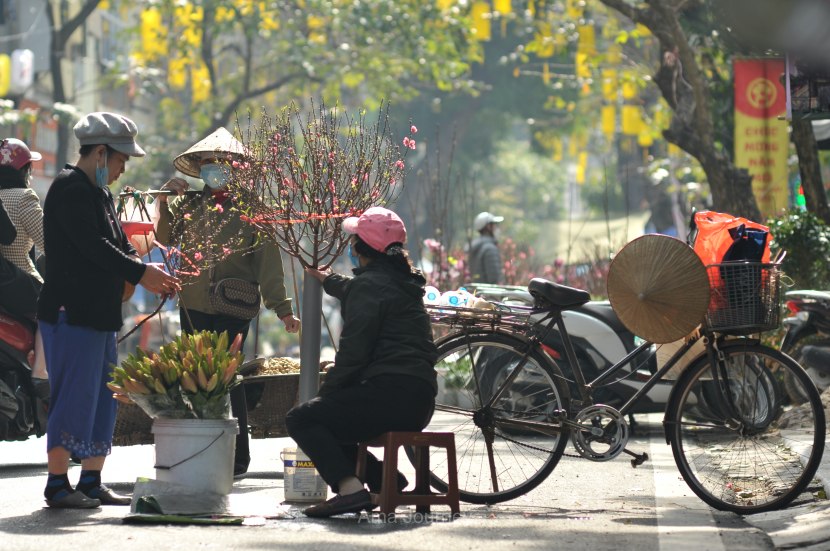
Vietnamese Tet cuisine isn't just food on the table - it's a thousand-year-old cultural flow, it's love conveyed through each piece of banh Chung, each bowl of bamboo shoot soup, each plate of braised pork.
From North to South, though the dishes may differ, every Vietnamese heart turns toward the same things: family, homeland, and cherished traditional values.
When you savor these dishes, you're not just eating a meal - you're touching the soul of a nation, feeling the love and warmth that Vietnamese people reserve for the most important day of the year.
Wishing you wonderful experiences with Vietnamese Tet cuisine!
Tet arrives, spring returns - Happiness, peace, and prosperity!

