

Hello, I'm coming to Hanoi with 1 friend 19.09. I'm thinking about 1 day trip from Hanoi to Long Coc. Would it be possible to...
Vietnam is famous for its breathtaking landscapes, ancient cities, rice terraces, and tropical beaches. Yet beyond these well-known attractions lies another hidden treasure: spectacular waterfalls. From the limestone mountains of northern Vietnam to the volcanic highlands of the Central Highlands and the cool pine forests of Da Lat, waterfalls offer travelers a chance to experience the country's natural beauty in its purest form.
Whether you are a photographer, adventure seeker, or nature lover, this guide to the 6 most beautiful waterfalls in northern Vietnam will help you plan an unforgettable journey.
1. Ban Gioc Waterfall – The Largest Waterfall in Vietnam
2. Silver Waterfall (Thac Bac) – The Iconic Waterfall of Sapa
3. Thung Waterfall – Hidden Beauty in Van Son, Phu Tho Province
4. Go Lao Waterfall – A Secret Gem Near Mai Chau
5. Hieu Waterfall – The Jewel of Pu Luong Nature Reserve
6. Tac Tinh Waterfall – The Legendary Waterfall of Lai Chau
2. Silver Waterfall (Thac Bac) – The Iconic Waterfall of Sapa
3. Thung Waterfall – Hidden Beauty in Van Son, Phu Tho Province
4. Go Lao Waterfall – A Secret Gem Near Mai Chau
5. Hieu Waterfall – The Jewel of Pu Luong Nature Reserve
6. Tac Tinh Waterfall – The Legendary Waterfall of Lai Chau
*****
1. Ban Gioc Waterfall – The Largest Waterfall in Vietnam
Ban Gioc Waterfall Overview
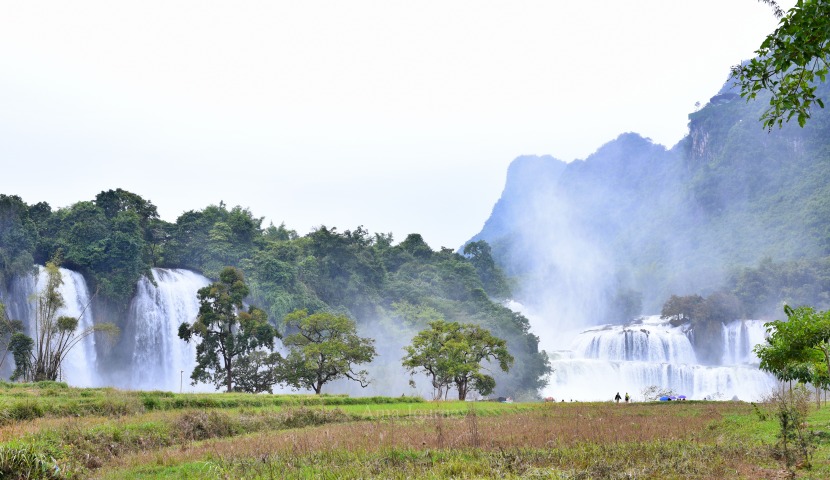
Nestled among towering limestone mountains in Cao Bang Province, Ban Gioc Waterfall is widely regarded as the most beautiful waterfall in Vietnam and one of the most impressive waterfalls in Southeast Asia. Located on the border between Vietnam and China, this breathtaking cascade is famous for its immense size, emerald waters, and stunning natural surroundings.
Unlike waterfalls that plunge dramatically from a single cliff, Ban Gioc spreads across multiple limestone terraces, creating a magnificent series of cascades that stretch nearly 300 meters (984 feet) wide. During the rainy season, the waterfall transforms into a roaring curtain of white water, while the dry season reveals crystal-clear turquoise pools and intricate limestone formations.
Where is Ban Gioc Waterfall?
Ban Gioc Waterfall is located in Dam Thuy Commune, Trung Khanh District, Cao Bang Province, approximately 85 kilometers (53 miles) northeast of Cao Bang City and about 360 kilometers (224 miles) from Hanoi.
The waterfall lies directly on the Quay Son River, which forms part of the international border between Vietnam and China. One side of the waterfall belongs to Vietnam, while the opposite side is part of China's Guangxi Province.
Despite its remote location, improved roads in recent years have made Ban Gioc much easier to reach, especially for travelers exploring Northern Vietnam by private car or motorbike.
Why Visit Ban Gioc Waterfall?
Ban Gioc is unlike any other waterfall in Vietnam.
Its enormous width, layered limestone terraces, and year-round water flow create a constantly changing landscape. Depending on the season, visitors may witness roaring white cascades, tranquil turquoise pools, or golden rice fields stretching toward the mountains.
Beyond the waterfall itself, the surrounding region offers a remarkable combination of natural beauty and authentic local culture. Traditional Tay and Nung ethnic villages continue their centuries-old way of life, giving travelers an opportunity to experience rural Vietnam far from the country's busy cities.
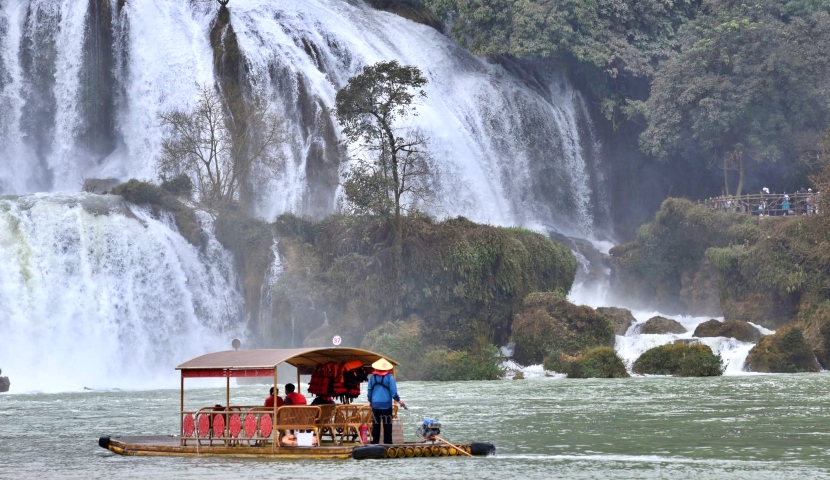
One of the most memorable experiences is taking a bamboo raft along the Quay Son River. Floating toward the base of the waterfall provides an entirely different perspective and allows visitors to appreciate the sheer scale and power of Ban Gioc up close.
Unlike many popular tourist attractions, Ban Gioc remains peaceful, especially during weekday mornings. The atmosphere is calm, refreshing, and perfect for travelers seeking nature rather than crowds.
How to Get to Ban Gioc Waterfall
From Hanoi: The journey begins with a drive from Hanoi to Cao Bang City, which takes approximately 6.5 to 8 hours depending on traffic and road conditions. Many visitors choose to spend one night in Cao Bang before continuing to Ban Gioc the following morning.
From Cao Bang City: Ban Gioc Waterfall is approximately 85 kilometers away, requiring another two-hour drive through scenic mountain roads.
Transportation Options
- Private Car: The most comfortable and flexible option, especially for families or photographers who wish to stop at scenic viewpoints along the way.
- Limousine Bus: Several comfortable limousine buses operate daily between Hanoi and Cao Bang City. From Cao Bang, visitors can hire a taxi or private driver to reach the waterfall.
- Motorbike: Experienced riders often consider the Cao Bang Loop one of Vietnam's most beautiful motorcycle routes. The roads are generally in good condition, though mountain driving requires caution.
- Private Tour: Many travel companies, including Ama Journey, offer customized itineraries that combine Ban Gioc Waterfall with nearby attractions such as Nguom Ngao Cave and Ba Be National Park.
Entrance Fee and Opening Hours
Ban Gioc remains one of Vietnam's best-value natural attractions.
Entrance Fee
• Adults: approximately 45.000 VND
• Children: discounted rates may apply
Optional Bamboo Raft
• Around 50.000VND per person
Opening hours are generally from 7:00 AM until 5:30 PM every day.
Best Time to Visit Ban Gioc Waterfall
Ban Gioc is beautiful throughout the year, but each season offers a different experience.
September to October – The Perfect Season
This is considered the best time to visit. The waterfall carries abundant water after the summer rains, while surrounding rice fields glow with golden colors. Temperatures are pleasant, making hiking and photography especially enjoyable.
May to August – Most Powerful Waterfall
Heavy rains dramatically increase the volume of water, creating an impressive spectacle. Visitors should expect occasional showers and slippery trails.
November to April – Clear Skies and Fewer Tourists
Although water levels are lower, the river becomes crystal clear and visibility is excellent for photography. Cooler temperatures also make sightseeing more comfortable.
Things to Do at Ban Gioc Waterfall
A visit to Ban Gioc offers far more than simply admiring the waterfall.
One of the highlights is boarding a traditional bamboo raft that glides along the Quay Son River. As the raft approaches the base of the waterfall, visitors can truly appreciate the immense scale of the cascading water and feel the refreshing mist carried by the breeze.
Walking trails around the waterfall provide several outstanding viewpoints, each offering different perspectives of the surrounding limestone mountains and emerald river. Early morning is particularly rewarding, when soft sunlight illuminates the landscape and visitor numbers remain low.
Just a short drive away lies Nguom Ngao Cave, one of Northern Vietnam's most impressive limestone caves, filled with spectacular stalactites and stalagmites.
Another worthwhile stop is Truc Lam Phat Tich Ban Gioc Pagoda, perched on a hillside overlooking the waterfall. The peaceful temple offers panoramic views across the valley and is one of the best photography locations in the area.
Travelers with additional time should also visit Khuoi Ky Stone Village, a charming Tay ethnic village where traditional stone houses, local hospitality, and authentic regional cuisine provide a fascinating cultural experience.

Photography Tips
Ban Gioc is one of Vietnam's finest destinations for landscape photography.
The best light typically occurs between 8:00 and 10:00 AM, when sunlight reaches the waterfall from the east while the surrounding mountains remain softly illuminated.
For dramatic long-exposure images, bring a tripod and neutral density filter. During the rainy season, a waterproof camera cover is highly recommended because the mist can be surprisingly intense near the base of the waterfall.
Drone photography is not permitted due to the waterfall's location along an international border. Visitors should always respect local regulations.
Nearby Attractions
- Ban Gioc is best explored as part of a two- or three-day journey through Cao Bang Province. Popular nearby attractions include:
- Nguom Ngao Cave – A spectacular limestone cave located just 5 km away.
- Truc Lam Phat Tich Ban Gioc Pagoda – A peaceful temple with panoramic views.
- Khuoi Ky Stone Village – Home to the Tay ethnic community and traditional stone architecture.
- Angel Eye Mountain – One of Northern Vietnam's most unique mountain landscapes.
- Ba Be National Park – A beautiful extension for travelers continuing deeper into Northeast Vietnam.
Local Expert Tip
Visit Ban Gioc before 9:00 AM if possible. The morning light beautifully illuminates the waterfall, tour groups have not yet arrived, and the water is often calmer, creating perfect reflections for photography. If you stay overnight in Khuoi Ky Stone Village, you'll also enjoy one of the most peaceful sunrises in Northern Vietnam.
Useful Travel Tips
- Wear comfortable walking shoes with good grip, as rocks near the waterfall can be slippery.
- Bring a light rain jacket, even during the dry season.
- Carry cash, as small vendors may not accept credit cards.
- Spend at least one night in Cao Bang to avoid rushing your visit.
- Visit early in the morning for the best light and fewer crowds.
Is Ban Gioc Waterfall Worth Visiting?
Absolutely.
Ban Gioc Waterfall is more than just Vietnam's largest waterfall—it is one of the country's greatest natural treasures. Its breathtaking scenery, peaceful atmosphere, rich ethnic culture, and remarkable geological setting make it a destination unlike any other in Southeast Asia.
Whether you are planning your first trip to Vietnam or returning to discover its hidden gems, Ban Gioc Waterfall deserves a place at the very top of your travel itinerary.
2. Silver Waterfall (Thac Bac) – The Iconic Waterfall of Sapa
Silver Waterfall overview
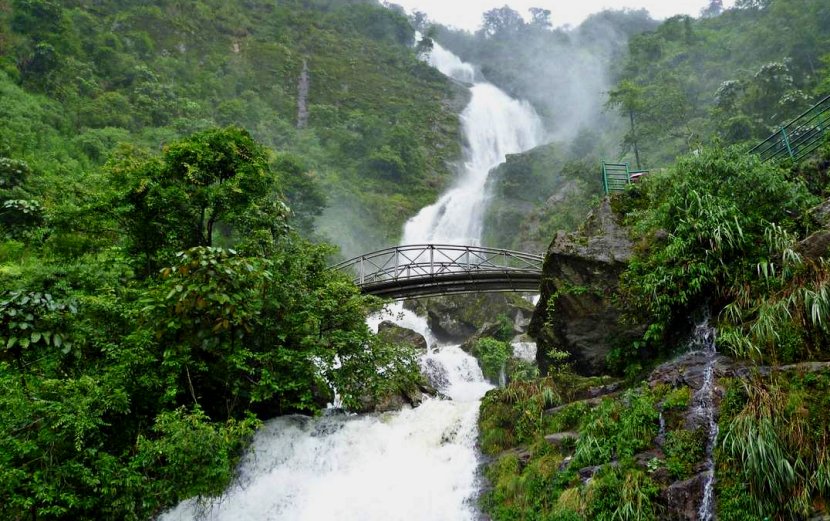
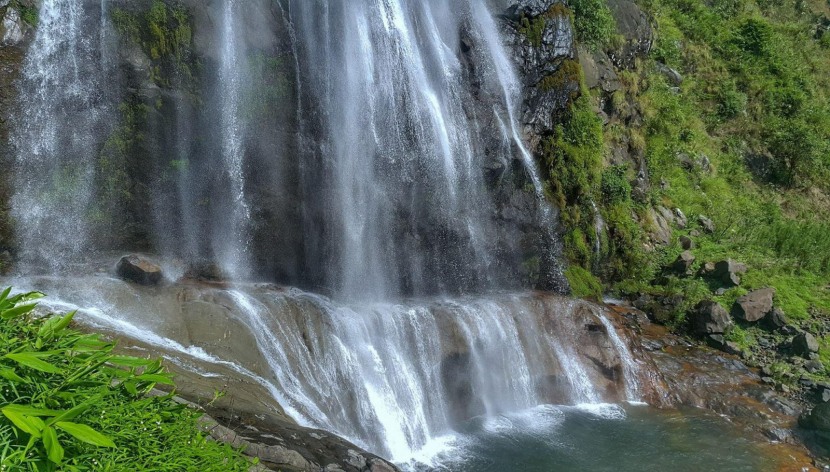
Standing gracefully on the legendary O Quy Ho Pass, Silver Waterfall (Thac Bac) is one of the most iconic natural attractions in Sapa. Cascading from a height of nearly 200 meters, the waterfall can be seen from a considerable distance as it rushes down the steep slopes of the Hoang Lien Son Mountain Range.
Unlike hidden jungle waterfalls that require hours of trekking, Silver Waterfall is easily accessible by road, making it one of the best destinations for families, photographers, and travelers exploring Sapa for the first time.
Although it is often combined with visits to Fansipan Mountain, Love Waterfall, and O Quy Ho Pass, Silver Waterfall deserves more than just a quick photo stop. The cool mountain air, dramatic scenery, and panoramic viewpoints create one of Northern Vietnam's most memorable landscapes.
Where is Silver Waterfall?
Silver Waterfall is located along National Highway 4D, approximately 12 kilometers west of Sapa Town on the road leading toward Lai Chau Province.
The waterfall lies at an elevation of more than 1,800 meters above sea level, surrounded by the magnificent Hoang Lien Son Mountains, Vietnam's highest mountain range.
Its convenient location makes it one of the easiest natural attractions to visit during a day trip from Sapa.
Why Visit Silver Waterfall?
There are many waterfalls around Sapa, but Silver Waterfall remains one of the most impressive thanks to its sheer height and spectacular mountain setting.
The waterfall begins high above the cliffs, where streams from the Hoang Lien National Park gather before plunging into the valley below. During the rainy season, the white water resembles a shimmering silver ribbon flowing through the dark green forest—giving the waterfall its poetic name.
Visitors are rewarded with:
- Stunning mountain scenery
- Refreshing cool temperatures year-round
- Easy access without hiking
- Excellent photography opportunities
- Beautiful viewpoints overlooking Muong Hoa Valley and O Quy Ho Pass
The combination of mountain clouds, pine forests, and rushing water makes Silver Waterfall especially attractive during early mornings.
How to Get There
By Motorbike: Renting a motorbike in Sapa is the most popular option. The journey takes approximately 20–25 minutes, following one of Vietnam's most scenic mountain roads.
By Taxi: A taxi from Sapa Town costs around 450.000 VND for a round trip, depending on waiting time.
By Private Car: Families and groups often choose a private vehicle that combines several attractions, including:
- Silver Waterfall
- Love Waterfall
- O Quy Ho Pass
- Heaven Gate
- Fansipan Cable Car
Entrance Fee
The entrance fee is approximately: 20.000 VND per adult
Parking is available for both motorbikes and cars at a small additional charge.
A stone staircase leads visitors to several viewing platforms overlooking the waterfall.
Best Time to Visit
March to May : Spring brings pleasant temperatures, blooming flowers, and clear mountain views.
September to November: Autumn is considered the best season for photography. Rice terraces around Sapa turn golden, while the weather is cool and dry.
June to August: The waterfall reaches its strongest flow during the rainy season, creating dramatic scenery. However, fog and rain may reduce visibility.
December to February: Winter occasionally brings frost and even light snowfall. While the scenery becomes mystical, thick fog may obscure the waterfall.
Things to Do
Walk to the Viewing Platforms
Stone staircases lead visitors upward through several observation points, each offering a different perspective of the waterfall and surrounding mountains.
Enjoy O Quy Ho Pass
Only a few minutes away lies one of Vietnam's most famous mountain passes. The panoramic views stretch across both Lao Cai and Lai Chau provinces.
Combine with Love Waterfall
Many travelers visit Silver Waterfall and Love Waterfall on the same day. While Silver Waterfall impresses with its height, Love Waterfall offers a peaceful forest walk.
Photography
Morning light creates beautiful contrasts between the white waterfall and dark mountain forests. Wide-angle lenses work particularly well here.
Nearby Attractions
A full-day itinerary can include:
- Fansipan Cable Car Station
- Love Waterfall
- O Quy Ho Pass
- Heaven Gate
- Muong Hoa Valley
- Cat Cat Village
These attractions are all within a short driving distance.
Photography Tips
The best time to photograph Silver Waterfall is between 8:00 AM and 10:00 AM.
Morning sunlight illuminates the waterfall beautifully while the surrounding peaks remain wrapped in soft mist.
For dramatic long-exposure photography:
- Bring a tripod.
- Use an ND filter if possible.
- Wear waterproof footwear during the rainy season.
Drone photography should be undertaken responsibly and only where local regulations permit.
Local Expert Tip
Many visitors spend only 15 minutes at Silver Waterfall before leaving. Instead, continue driving another 10–15 minutes toward O Quy Ho Pass. On clear days, you'll enjoy one of the most spectacular mountain panoramas in Vietnam, especially around sunset when layers of mountains fade into the horizon.
Useful Travel Tips
- Bring a light jacket even during summer, as temperatures are cooler than in Sapa Town.
- Wear comfortable shoes with good grip because the stone steps can become slippery.
- Avoid weekends and Vietnamese public holidays if you prefer a quieter experience.
- Combine several attractions to make the journey more worthwhile.
Is Silver Waterfall Worth Visiting?
Silver Waterfall is one of Sapa's easiest and most rewarding natural attractions. While it may not be as remote as some of Vietnam's hidden waterfalls, its impressive height, dramatic mountain scenery, and convenient location make it an excellent stop for anyone exploring Northern Vietnam.
Whether you're visiting Sapa for trekking, photography, or simply enjoying the cool mountain climate, Silver Waterfall is a destination that perfectly showcases the region's natural beauty.
3. Thung Waterfall – Hidden Beauty in Van Son, Phu Tho Province
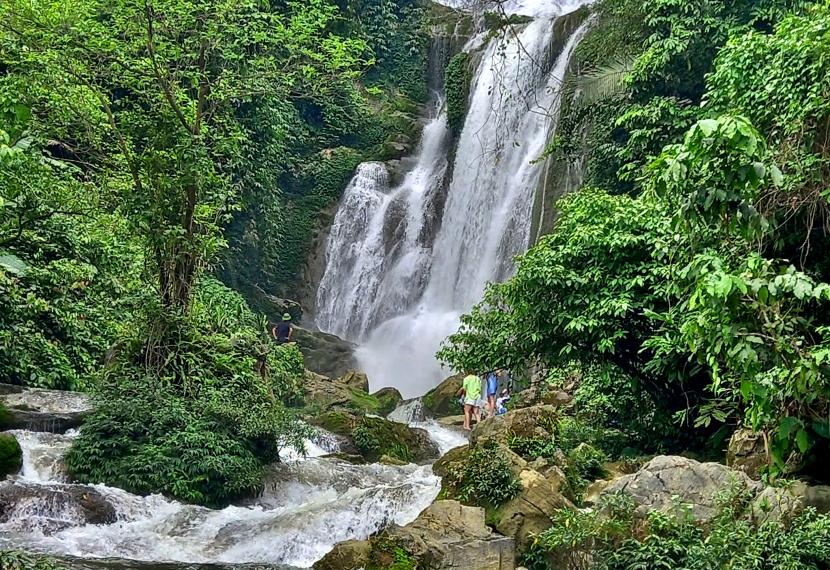
Thung waterfalls overview
Hidden deep within the peaceful mountains of Van Son Commune, Thung Waterfall remains one of Northern Vietnam's lesser-known natural treasures. Unlike famous destinations that attract thousands of visitors each day,
Thung Waterfall offers a tranquil atmosphere where the sounds of rushing water, birdsong, and rustling forest leaves replace the noise of crowds.
The waterfall flows through a landscape of limestone hills, dense tropical vegetation, and traditional Muong villages, creating a setting that feels untouched by mass tourism. Crystal-clear water tumbles over smooth rock formations into a series of natural pools, making it an inviting place to relax on a warm summer day.
For travelers seeking authentic experiences beyond Vietnam's well-known attractions, Thung Waterfall is a rewarding detour. The journey itself is part of the adventure, with winding roads passing rice fields, valleys, and ethnic minority communities that preserve a rich cultural heritage.
Where is Thung Waterfall?
Thung Waterfall is located in Van Son Commune, Phu Tho Province (formerly part of Hoa Binh Province before the administrative merger). It sits roughly 130 kilometers southwest of Hanoi, making it suitable for a day trip, though an overnight stay allows visitors to explore the surrounding countryside at a more relaxed pace.
The final stretch of the journey follows smaller local roads through scenic mountain landscapes. While the route is generally accessible by car or motorbike, travelers should drive carefully, especially during the rainy season when road conditions can become slippery.
Why Visit Thung Waterfall?
Although Thung Waterfall is not yet widely known among international travelers, that is precisely what makes it so special.
Many famous waterfalls gradually lose their natural atmosphere as tourism develops. Thung Waterfall, however, still feels wonderfully untouched. Visitors can often spend hours here encountering only a handful of other people, especially on weekdays.
The waterfall is admired for its clear mountain water, which flows gently over broad limestone terraces before dropping into emerald pools below. During summer, the refreshing water provides a welcome escape from Northern Vietnam's heat.
The surrounding forest is equally impressive. Towering trees create natural shade, while vines, ferns, orchids, and moss-covered rocks form a landscape that feels almost prehistoric. The air is noticeably cooler than in the lowlands, making the area pleasant even during the warmer months.
One of the greatest attractions of Thung Waterfall is its peaceful atmosphere. Instead of rushing from viewpoint to viewpoint, visitors are encouraged to slow down, listen to nature, and simply enjoy the scenery.
How to Get There
From Hanoi: The most convenient route begins in Hanoi.
Drive west toward Xuan Mai before continuing through the scenic mountain roads leading to Van Son Commune. The total journey takes approximately three to three and a half hours, depending on traffic.
Road conditions are generally good, although the final kilometers may include narrower local roads.
By Private Car: Hiring a private vehicle offers the greatest flexibility.
Many visitors combine Thung Waterfall with nearby attractions, allowing plenty of opportunities to stop for photographs of rice fields, limestone mountains, and traditional villages along the route.
By Motorbike: Experienced riders often enjoy this journey.
The roads wind through beautiful mountain landscapes, making the drive itself part of the adventure. Riders should exercise extra caution during the rainy season, as roads may become slippery.
Guided Tours: At present, few commercial tours include Thung Waterfall, making customized private tours the most practical option for international visitors wishing to explore this lesser-known destination.
Entrance Fee
One of the pleasant surprises about Thung Waterfall is that visiting remains inexpensive.
In many cases, there is no official entrance fee, although local communities may occasionally collect a small contribution to support environmental protection and trail maintenance.
Parking for cars and motorbikes is generally available near the entrance.
Because facilities remain simple, visitors should bring drinking water and any personal necessities before beginning their walk.
Best Time to Visit
April to June: Spring and early summer are excellent seasons to visit.
The forest is lush and vibrant, temperatures remain comfortable, and water levels are ideal for photography and relaxing beside the stream.
July to September: The rainy season brings stronger water flow, making the waterfall more dramatic.
However, heavy rain can make trails muddy and slippery. Visitors should check weather conditions before traveling.
October: Autumn offers some of the year's most pleasant weather.
Clear skies, comfortable temperatures, and surrounding rice fields approaching harvest season create spectacular scenery.
November to March: During winter, water levels become lower, but the cooler weather makes hiking enjoyable.
Morning mist often creates a mysterious atmosphere that photographers appreciate.
Things to Do at Thung Waterfall
Relax beside the Natural Pools
Several clear pools form beneath the waterfall, providing peaceful places to rest and enjoy the refreshing mountain environment.
Depending on seasonal conditions and local advice, visitors may also enjoy swimming in designated safe areas.
Enjoy Forest Walking
The trails surrounding the waterfall pass through dense tropical vegetation filled with birds, butterflies, and native plants.
Nature lovers will appreciate the rich biodiversity of the area.
Landscape Photography
Thung Waterfall is particularly photogenic because of its layered rock formations and surrounding greenery.
Morning light filtering through the forest canopy creates beautiful contrasts between sunlight and shadow.
Experience Muong Culture
Nearby villages offer opportunities to learn about the traditions of the Muong people, one of Northern Vietnam's oldest ethnic communities.
Traditional stilt houses, local handicrafts, and authentic home-cooked meals provide memorable cultural experiences that complement a visit to the waterfall.
Photography Tips
Photographers should arrive early in the morning, ideally between 7:30 AM and 9:30 AM.
During these hours:
- Soft light reaches the waterfall through the forest canopy.
- The air remains cool and fresh.
- There are very few visitors.
- Long-exposure photography produces silky water effects.
Recommended equipment includes:
- Wide-angle lens (16–35 mm)
- Polarizing filter
- Tripod
- Waterproof camera bag
Because of the dense forest, drones may not provide particularly dramatic images and should only be flown where local regulations permit.
Nearby Attractions
Visitors can easily combine Thung Waterfall with several nearby destinations:
Muong Ethnic Villages: Experience authentic rural life, traditional architecture, and local hospitality.
Local Rice Terraces: Depending on the season, surrounding valleys display vibrant green or golden rice fields.
Limestone Mountains: The region offers numerous scenic viewpoints ideal for landscape photography.
Mai Chau Valley: For travelers continuing their journey, Mai Chau provides another excellent destination featuring cycling routes, ethnic villages, and peaceful countryside.
Local Expert Tip
Most visitors spend less than an hour at Thung Waterfall, but staying longer reveals its true beauty.
Bring a picnic lunch and spend several hours exploring the surrounding forest. As the day progresses, changing sunlight transforms the landscape, creating completely different photographic opportunities throughout the morning.
If you enjoy slow travel, consider staying overnight in a nearby Muong homestay rather than returning to Hanoi immediately. Watching sunrise over the surrounding mountains offers an unforgettable glimpse into rural Northern Vietnam.
Useful Travel Tips
Wear hiking shoes with good grip.
- Bring insect repellent during summer.
- Pack a lightweight rain jacket.
- Carry cash, as electronic payments may not be available.
- Avoid visiting during periods of heavy rainfall.
- Help preserve the natural environment by taking all rubbish with you.
Is Thung Waterfall Worth Visiting?
Absolutely—especially if you prefer authentic experiences over crowded tourist attractions.
While Thung Waterfall may not be as famous as Ban Gioc or Silver Waterfall, its greatest strength lies in its untouched beauty. Visitors are rewarded with peaceful surroundings, pristine forests, crystal-clear streams, and a genuine connection with nature.
For photographers, eco-travelers, and anyone looking to discover a quieter side of Vietnam, Thung Waterfall is one of Northern Vietnam's hidden gems. Combined with the rich culture of the Muong people and the scenic mountain landscapes of Phu Tho Province, it offers an experience that feels both refreshing and authentic—exactly the kind of destination that adventurous travelers remember long after their journey ends.
4. Go Lao Waterfall – A Secret Gem Near Mai Chau
Go Lao waterfall overview
Hidden among the limestone mountains and peaceful valleys of Mai Chau, Go Lao Waterfall (Thác Gò Lào) is one of Northern Vietnam's best-kept secrets. Unlike the bustling attractions found in Sapa or Ninh Binh, Go Lao offers visitors a tranquil escape where nature remains largely untouched.
The waterfall plunges gracefully over a rocky cliff into a clear natural pool surrounded by lush tropical vegetation. The soothing sound of rushing water, combined with birdsong and the fresh mountain air, creates a peaceful atmosphere that feels worlds away from Vietnam's busy cities.
Although Go Lao is gradually becoming more popular among domestic travelers and photographers, it still receives far fewer visitors than many of Vietnam's famous waterfalls. This makes it an excellent destination for travelers looking to experience authentic natural beauty without the crowds.
One of the highlights of visiting Go Lao is that the journey itself is just as rewarding as the destination. Winding mountain roads pass traditional Thai and Muong villages, emerald rice paddies, bamboo forests, and spectacular viewpoints overlooking Hoa Binh Lake.
Where is Go Lao Waterfall?
Go Lao Waterfall is located in Go Mu Hamlet, Son Thuy Commune, Mai Chau District, Hoa Binh Province, approximately 13–15 kilometers from Lac Village, the heart of Mai Chau Valley.
It sits close to the eastern shores of Hoa Binh Lake, one of Vietnam's largest artificial lakes, making it easy to combine a visit to the waterfall with a scenic drive around the lake or a relaxing stay in Mai Chau.
Because of its location away from major highways, Go Lao still retains a wonderfully peaceful atmosphere, especially on weekday mornings.
Why Visit Go Lao Waterfall?
Go Lao Waterfall is not the tallest waterfall in Vietnam, nor the most famous. Its appeal lies in its unspoiled natural setting and its ability to make visitors slow down and appreciate the simple beauty of Northern Vietnam.
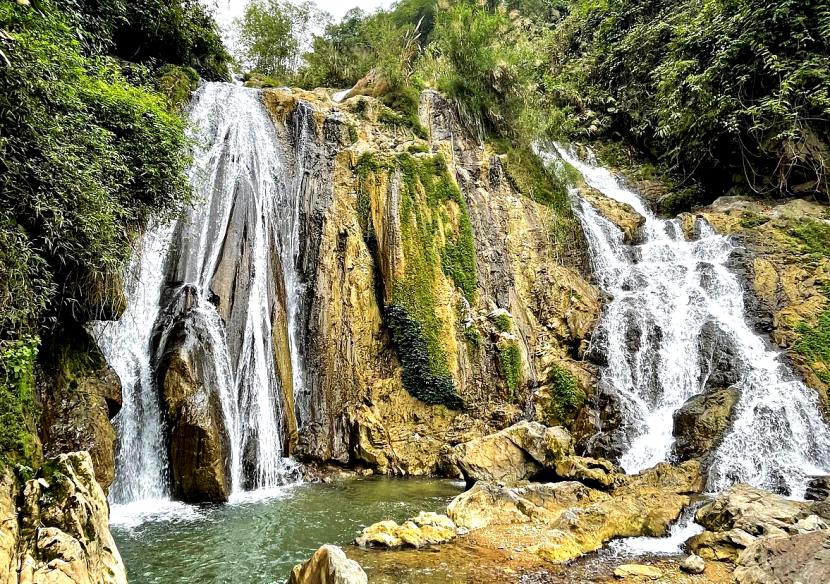
The waterfall descends approximately 20–30 meters, splitting into several smaller streams as it flows over dark limestone rocks. During the rainy season, the increased water volume creates a curtain of white water that contrasts beautifully with the surrounding greenery.
At the base of the waterfall lies a cool, crystal-clear pool where visitors can dip their feet or enjoy a refreshing swim when conditions are safe. Large boulders scattered around the pool provide perfect places to sit, relax, or enjoy a picnic while listening to the constant sound of cascading water.
Unlike many developed tourist sites, Go Lao has preserved its rustic character. There are no large restaurants or entertainment facilities—just nature at its finest.
How to Get There
From Hanoi: The journey from Hanoi takes approximately 3.5 to 4 hours by car.
Follow National Highway 6 toward Mai Chau. From Mai Chau Town or Lac Village, continue another 13–15 kilometers through peaceful mountain roads to reach Go Mu Hamlet. The final section includes a short walk down a concrete staircase to the waterfall.
From Mai Chau: Go Lao Waterfall is one of the easiest day trips from Mai Chau.
Travelers can reach the waterfall by:
- Motorbike (30–40 minutes)
- Private car
- Bicycle (recommended only for experienced cyclists because of hilly roads)
- Guided cycling or hiking tour
Scenic Route via Hoa Binh Lake
For those with more time, consider taking the lakeside road along Hoa Binh Lake. The winding route offers breathtaking views of the reservoir, limestone mountains, and traditional villages, making the drive itself a memorable experience.
Entrance Fee
Go Lao Waterfall remains one of the most affordable natural attractions in Northern Vietnam.
Current prices are approximately:
Entrance fee: 20.000 VND per person
Parking is generally free or available for a small local fee.
Facilities are intentionally simple, helping preserve the area's natural charm. Visitors should bring drinking water, sunscreen, swimwear, and a towel if planning to spend several hours here.
Best Time to Visit
Every season offers a slightly different experience.
May to October
This is when Go Lao Waterfall is at its most spectacular.
Seasonal rains increase the water flow, transforming the waterfall into a powerful white cascade surrounded by vibrant green forests. The warmer weather also makes swimming more enjoyable.
September to November
Many photographers consider autumn the ideal time to visit.
The weather is cooler, skies are clearer, and nearby rice fields begin turning brilliant shades of gold, creating spectacular scenery.
December to April
The waterfall becomes calmer during the dry season, offering peaceful conditions for photography and picnics. While the water flow is lighter, the surrounding countryside remains beautiful.
Things to Do at Go Lao Waterfall
Swim in the Natural Pool
The clear pool beneath the waterfall is perfect for cooling off after exploring Mai Chau. Always check local conditions before entering the water, especially after heavy rainfall.
Enjoy Landscape Photography
Go Lao is one of the most photogenic waterfalls in Northern Vietnam.
The contrast between white water, dark rocks, emerald vegetation, and blue sky creates outstanding opportunities for landscape photography.
Relax with a Picnic
Large rocks surrounding the waterfall provide ideal places to sit and enjoy lunch while listening to the sound of rushing water.
Because visitor numbers remain relatively low, the atmosphere is peaceful throughout most weekdays.
Explore the Surrounding Villages
Nearby Thai and Muong communities welcome visitors with traditional stilt houses, friendly hospitality, and authentic local cuisine.
Cycling through these villages is one of the most rewarding experiences in Mai Chau.
Photography Tips
Go Lao Waterfall is particularly beautiful during the early morning between 8:00 AM and 10:00 AM.
At this time:
- Sunlight gently illuminates the waterfall.
- Mist often rises from the rocks.
- Visitor numbers remain low.
- The forest appears especially vibrant after the cool morning air.
A wide-angle lens works well for capturing the entire waterfall, while a telephoto lens is useful for photographing details of the cascading water and surrounding vegetation.
If you enjoy long-exposure photography, bring a tripod and an ND filter to create silky water effects.
Nearby Attractions
One of Go Lao's greatest advantages is its proximity to several outstanding destinations.
Visitors can easily combine Go Lao Waterfall with:
- Mai Chau Valley
- Lac Village
- Pom Coong Village
- Hoa Binh Lake
- Thung Khe Pass (White Stone Pass)
- Mai Chau Hideaway Resort
Together, these attractions make an excellent one- or two-day itinerary exploring one of Northern Vietnam's most scenic regions.
Local Expert Tip
Most travelers visit Go Lao Waterfall as a quick stop before returning to Mai Chau. However, the best experience is to spend half a day here.
Arrive early in the morning, enjoy the peaceful atmosphere before larger groups arrive, then continue your journey around Hoa Binh Lake, where quiet mountain roads reveal some of the most beautiful landscapes in Northern Vietnam.
If you're staying overnight in Mai Chau, consider renting a bicycle the following day to explore nearby ethnic villages at a relaxed pace. Together, these experiences showcase the authentic charm that has made Mai Chau one of Vietnam's most beloved countryside destinations.
Useful Travel Tips
- Wear sturdy shoes, as the staircase leading to the waterfall can be slippery after rain.
- Bring swimwear and a towel if you plan to enjoy the natural pool.
- Carry drinking water and light snacks, as facilities near the waterfall are limited.
- Visit on weekdays for a quieter experience.
- Help protect the environment by taking all rubbish with you.
Is Go Lao Waterfall Worth Visiting?
Without a doubt: Go Lao Waterfall is proof that some of Vietnam's most rewarding destinations are also its least crowded. While it may not have the international fame of Ban Gioc or the accessibility of Silver Waterfall, it offers something equally valuable: authenticity.
Surrounded by peaceful villages, lush forests, and spectacular mountain scenery, Go Lao invites travelers to slow down and appreciate the simple beauty of rural Vietnam. Combined with a visit to Mai Chau Valley and Hoa Binh Lake, it becomes one of the most memorable nature experiences in Northern Vietnam.
5. Hieu Waterfall – The Jewel of Pu Luong Nature Reserve
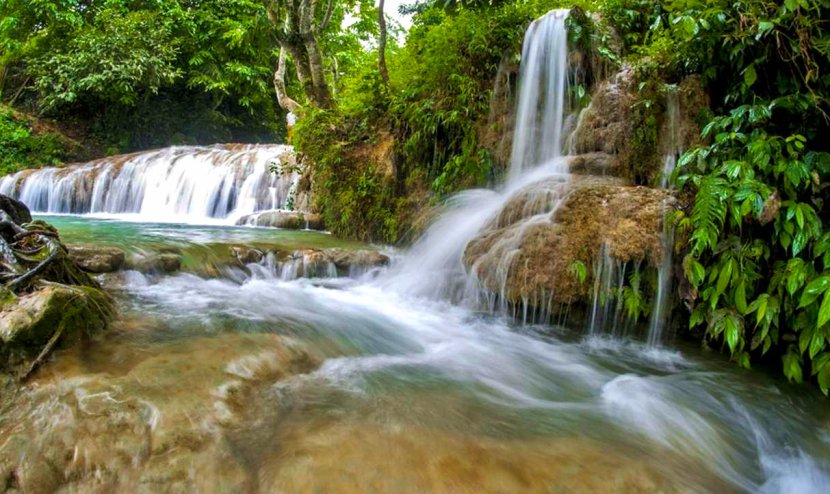
Hieu waterfall overview
Hidden deep within the lush mountains of Pu Luong Nature Reserve, Hieu Waterfall (Thác Hiêu) is one of Vietnam's most enchanting waterfalls. Unlike towering waterfalls that impress visitors with their immense height, Hieu Waterfall captivates through its tranquility, crystal-clear water, and harmonious connection with the surrounding landscape.
Flowing gently through the traditional Thai ethnic village of Hieu, the waterfall stretches across multiple limestone terraces before forming a series of emerald pools that invite visitors to stop, relax, and reconnect with nature. The water is so remarkably clear that the rocky riverbed is visible even in the deeper sections, while schools of small fish can often be seen swimming through the pools.
What makes Hieu Waterfall truly special is the experience that surrounds it. Visiting the waterfall is not simply about admiring a natural attraction—it is about discovering one of Northern Vietnam's most authentic rural communities, where traditional stilt houses, rice terraces, bamboo forests, and warm local hospitality remain an essential part of everyday life.
For travelers seeking a quieter alternative to Sapa or Ninh Binh, Hieu Waterfall offers an unforgettable combination of spectacular scenery, ethnic culture, and peaceful mountain living.
Where is Hieu Waterfall?
Hieu Waterfall is located in Hieu Village, Co Lung Commune, Ba Thuoc District, within the heart of Pu Luong Nature Reserve, Thanh Hoa Province.
The waterfall lies approximately:
• 170 kilometers from Hanoi
• 25 kilometers from Pu Luong Eco Garden
• 20 kilometers from Pu Luong Retreat
• Around 40 minutes by car from Don Village, the tourism center of Pu Luong.
Unlike many famous waterfalls in Vietnam, Hieu Waterfall is reached by passing through picturesque rice terraces and traditional Thai villages. The final stretch involves a short walk through the village, allowing visitors to experience local life before reaching the waterfall.
Why Visit Hieu Waterfall?
Many waterfalls impress with their power. Hieu Waterfall impresses with its serenity.
The water originates from limestone mountains high above Pu Luong Nature Reserve. Naturally filtered through underground rock formations, it remains exceptionally clear throughout most of the year.
As the stream descends through Hieu Village, it creates numerous small waterfalls, shallow rapids, and natural pools where visitors can swim or simply dip their feet in the refreshingly cool water.
One of the waterfall's most fascinating characteristics is its constant temperature. Even during the hottest summer months, the water remains pleasantly cool, making it a favorite retreat for both locals and travelers.
Unlike heavily commercialized attractions, there are no concrete viewing platforms or amusement facilities here. Instead, bamboo bridges, traditional wooden houses, and stone footpaths blend naturally into the surrounding landscape.
The peaceful atmosphere makes Hieu Waterfall an ideal destination for those who enjoy slow travel and authentic cultural experiences.
How to Get There
From Hanoi: Driving from Hanoi takes approximately 4 to 4.5 hours.
Most visitors travel via: Hanoi → Mai Chau → Pu Luong Nature Reserve → Hieu Village.
The route offers some of Northern Vietnam's most beautiful scenery, including mountain passes, valleys, rice terraces, and ethnic villages.
From Pu Luong: If you are already staying in Pu Luong, reaching Hieu Waterfall is straightforward.
Transportation options include:
• Private car
• Motorbike
• Bicycle (for experienced cyclists)
• Guided trekking tours
Many eco-lodges also arrange transportation directly to Hieu Village.
Walking Through Hieu Village
The final approach is one of the highlights of the journey.
Visitors walk through peaceful Thai villages where traditional wooden stilt houses stand beside crystal-clear streams. Local children often play near the water while farmers continue daily life much as they have for generations.
This gentle walk provides wonderful opportunities for photography and cultural interaction.
Entrance Fee
One of Hieu Waterfall's greatest attractions is its accessibility.
There is currently no official entrance fee to visit the waterfall.
Visitors may encounter:
• Parking fee: approximately 10.000–20.000 VND
• Small community contribution when parking at local homestays
These modest fees help support local tourism and village maintenance.
Best Time to Visit
May to October
This is the waterfall's most beautiful season.
The water flow is abundant while surrounding forests become incredibly lush.
The weather is warm enough for swimming, making this the most popular period.
September to November
Many photographers consider autumn the perfect season.
Golden rice terraces surround Hieu Village while cool temperatures make hiking especially comfortable.
Morning mist often drifts across the valley, creating magical landscapes.
December to February
Winter brings crisp mountain air and peaceful surroundings.
Although swimming may be too cold for many visitors, this season is excellent for hiking and landscape photography.
March to April
Spring fills the forests with fresh greenery and blooming wildflowers.
Water levels remain stable while visitor numbers are relatively low.
Things to Do at Hieu Waterfall
Swim in the Natural Pools
Unlike many waterfalls with dangerous currents, Hieu Waterfall features several calm natural pools that are suitable for swimming during normal weather conditions.
The clear, cool water provides the perfect way to escape Northern Vietnam's summer heat.
Walk Through Hieu Village
Exploring the village is just as rewarding as visiting the waterfall itself. Visitors can observe:
• Traditional Thai stilt houses
• Rice terraces
• Bamboo water wheels
• Local weaving
• Friendly village life
Unlike purpose-built tourist villages, Hieu Village remains an authentic working community.
Stay Overnight in a Homestay
One of the best ways to experience Hieu Waterfall is by staying overnight.
Several family-run homestays offer comfortable accommodation, home-cooked meals, and opportunities to learn about Thai traditions.
Evenings are wonderfully peaceful, with only the sounds of flowing water and insects filling the air.
Trek Through Pu Luong Nature Reserve
Hieu Waterfall is often included in trekking routes connecting nearby villages.
The surrounding landscape offers excellent opportunities to discover:
• Limestone mountains
• Rice terraces
• Bamboo forests
• Rare wildlife
• Traditional farming communities
Photography Tips
Hieu Waterfall is one of Vietnam's finest destinations for nature photography.
The best time to shoot is: 7:30 AM – 10:00 AM
Morning light gently filters through the forest canopy, creating soft reflections on the crystal-clear pools.
Recommended equipment:
• Wide-angle lens
• Polarizing filter
• Tripod
• Waterproof shoes
Photographers should also spend time capturing village life, wooden bridges, and rice terraces rather than focusing solely on the waterfall.
Nearby Attractions
Hieu Waterfall can easily be combined with several of Pu Luong's most famous attractions.
Don Village: Known for eco-lodges and spectacular rice terraces.
Kho Muong Village: A beautiful remote village surrounded by limestone mountains and home to one of Pu Luong's largest caves.
Cham Stream Water Wheels: Traditional bamboo water wheels continue to irrigate local rice fields using centuries-old techniques.
Pu Luong Peak Trek: Adventure travelers can hike to the summit for panoramic views across the entire nature reserve.
Pho Doan Market: If visiting on market days, travelers can experience one of the region's most authentic ethnic markets.
Local Expert Tip: Don't rush your visit.
Many visitors spend only an hour at Hieu Waterfall before returning to their resort, but the true magic of Hieu reveals itself early in the morning and late in the afternoon.
Stay overnight in Hieu Village if possible. Wake before sunrise and enjoy breakfast beside the stream while mist slowly rises from the valley.
As local villagers begin their daily routines and sunlight filters through the forest, you'll experience one of the most peaceful moments anywhere in Northern Vietnam.
If you're interested in photography, spend time exploring the narrow village paths rather than remaining at the waterfall. Some of the most memorable images in Pu Luong are found where daily life and nature blend seamlessly together.
Useful Travel Tips
• Wear sandals or shoes suitable for walking through shallow streams.
• Bring swimwear and a quick-drying towel.
• Respect local customs when visiting Thai villages.
• Avoid playing loud music, as the area is valued for its tranquility.
• Support local families by purchasing handmade products or enjoying meals at village homestays.
• Take all rubbish with you to help preserve Pu Luong's natural beauty.
Is Hieu Waterfall Worth Visiting?
Hieu Waterfall is not the tallest or most powerful waterfall in Vietnam, but it is arguably one of the country's most peaceful and authentic.
Its combination of pristine water, untouched forests, traditional Thai culture, and breathtaking rice terraces creates an experience that feels refreshingly different from Vietnam's more famous tourist destinations.
For travelers seeking genuine connections with nature and local culture, Hieu Waterfall is one of the highlights of Pu Luong Nature Reserve—and one of the finest hidden gems in Northern Vietnam.
6. Tac Tinh Waterfall – The Legendary Waterfall of Lai Chau
Tac Tinh waterfall overview
Hidden beneath the towering peaks of the Hoang Lien Son Mountain Range, Tac Tinh Waterfall (Thác Tác Tình) is one of the most breathtaking waterfalls in Northwest Vietnam. Rising nearly 130 meters above the forest floor, the waterfall plunges down a sheer cliff into a crystal-clear pool, creating an awe-inspiring landscape surrounded by pine-covered hills and lush mountain forests.
The waterfall is fed by streams originating from the Hoang Lien Son range and is recognized as one of Lai Chau Province's most beautiful natural attractions.
But Tac Tinh is much more than a scenic destination.
Its name, which can be translated as "The Waterfall of Love," comes from one of the most touching legends of the Dao ethnic people. According to local folklore, a young Dao couple fell deeply in love but were forbidden to marry because of social differences between their families. Unable to live together, the young woman chose to sacrifice herself in the mountains, and the waterfall is said to have formed where her spirit remained forever.
Today, Tac Tinh symbolizes faithful and everlasting love, attracting not only photographers and adventurers but also couples who come to wish for lasting happiness.
Unlike many famous waterfalls that have become heavily commercialized, Tac Tinh still feels remarkably peaceful. The combination of untouched nature, fascinating local legends, and spectacular scenery makes it one of Vietnam's true hidden gems.
Where is Tac Tinh Waterfall?
Tac Tinh Waterfall is located in Binh Lu Commune, Tam Duong District, Lai Chau Province, approximately 25 kilometers from Lai Chau City and only 1.5 kilometers from Tam Duong Town along National Highway 4D—the scenic route connecting Sapa with Lai Chau.
Its convenient location makes the waterfall an excellent stop for travelers driving between Sapa and Lai Chau or exploring Vietnam's spectacular Northwest Loop.
The surrounding area is dominated by the majestic Hoang Lien Son Mountains, including the famous Pu Ta Leng massif, Vietnam's second-highest mountain. Dense forests, terraced fields, and traditional Dao villages create an unforgettable landscape that feels untouched by mass tourism.
Why Visit Tac Tinh Waterfall?
Tac Tinh offers a unique combination of natural beauty and cultural heritage.
The waterfall descends nearly 130 meters over dark granite cliffs before crashing into a turquoise pool below. During the rainy season, the powerful flow creates clouds of mist that rise into the surrounding forest, while sunlight often produces beautiful rainbows across the falling water.
One of the most remarkable features is the peaceful pine forest surrounding the entrance. Instead of immediately hearing the roar of the waterfall, visitors first walk through tall pine trees before gradually hearing the sound of rushing water growing louder with every step.
Because Tac Tinh remains relatively unknown internationally, visitors often enjoy the waterfall without large crowds. This peaceful atmosphere makes it ideal for photography, meditation, or simply appreciating the sounds of nature.
The legendary love story associated with the waterfall also gives the destination a unique cultural significance that few other waterfalls in Vietnam possess.
How to Get There
From Sapa: Tac Tinh Waterfall is approximately 55 kilometers from Sapa.
The drive follows the famous O Quy Ho Pass, one of Vietnam's "Four Great Mountain Passes." The journey takes approximately 1.5 to 2 hours, offering spectacular views of mountain valleys, cloud-covered peaks, and deep forests.
Many travelers include Tac Tinh as part of a scenic road trip from Sapa to Lai Chau.
From Lai Chau City: The waterfall is easily reached in around 30–40 minutes by car or motorbike.
Simply follow National Highway 4D toward Tam Duong before turning into the entrance road leading to the waterfall.
By Private Car
A private vehicle offers the greatest flexibility and allows visitors to combine Tac Tinh with other attractions, including:
• O Quy Ho Pass
• Pu Ta Leng trekking routes
• Sin Suoi Ho Village
• Tam Duong Tea Hills
By Motorbike
For experienced riders, Tac Tinh is one of the highlights of the Northwest Vietnam motorcycle route.
The roads are generally in good condition, although mountain weather can change rapidly. Riders should exercise caution during the rainy season.
Entrance Fee
Tac Tinh Waterfall remains an affordable destination.
Visitors should expect an entrance fee of approximately 40.000 VND per person. Parking is available near the entrance for a small additional charge.
Facilities remain simple but adequate, including:
• Parking area
• Small refreshment stalls (seasonal)
• Walking paths
• Viewing platforms
Visitors should bring drinking water, comfortable footwear, and cash, as card payments are generally unavailable.
Best Time to Visit
Every season reveals a different side of Tac Tinh Waterfall.
May to September
This is the most dramatic season.
Summer rains transform the waterfall into a powerful white cascade, with mist rising high above the surrounding forest. The landscape becomes intensely green, making it a paradise for landscape photographers.
October to November
Autumn is arguably the most pleasant time to visit.
The weather is cool and dry, skies are often clear, and golden wildflowers bloom along the roads leading to the waterfall. This season is perfect for hiking and photography.
December to April
During the dry season, the waterfall becomes gentler, revealing beautiful rock formations covered in emerald moss. Clear weather provides excellent visibility of the surrounding mountains.
Things to Do at Tac Tinh Waterfall
Admire the Waterfall
The main viewing platform offers an impressive panoramic view of the entire waterfall, allowing visitors to appreciate its height and the dramatic mountain setting.
Discover the Love Legend
Local guides are often happy to share the touching Dao legend behind Tac Tinh's name. Understanding this story adds emotional depth to the visit and explains why the waterfall is regarded as a symbol of faithful love.
Nature Photography
Tac Tinh is one of the finest photography locations in Lai Chau.
Visitors can capture:
- The full height of the waterfall
- Mist rising from the cliffs
- Rainbows on sunny days
- Pine forests
- Mountain landscapes
- Traditional Dao villages nearby
Explore Tam Duong
After visiting the waterfall, spend time discovering Tam Duong District, famous for:
- Tea plantations
- Flower valleys
- Ethnic minority villages
- Mountain viewpoints
- Local markets
Photography Tips
The best time for photography is between 8:00 AM and 10:00 AM.
Morning sunlight illuminates the waterfall beautifully while the surrounding cliffs remain partially shaded, creating dramatic contrast.
For the best results:
- Bring a wide-angle lens.
- Use a tripod for long-exposure photography.
- Carry a polarizing filter to reduce glare.
- Protect camera equipment from water spray.
Drone photography should only be undertaken in accordance with local regulations, especially given the mountainous terrain and changing weather conditions.
Nearby Attractions
Tac Tinh Waterfall can easily be combined with several outstanding destinations in Lai Chau.
O Quy Ho Pass: One of Vietnam's most spectacular mountain passes, offering panoramic views across the Hoang Lien Son Range.
Pu Ta Leng Mountain: Vietnam's second-highest peak and one of the country's premier trekking destinations.
Sin Suoi Ho Village: A charming Hmong village renowned for its flower gardens, traditional culture, and community-based tourism.
Tam Duong Tea Hills: Rolling tea plantations provide beautiful scenery and opportunities to sample locally produced tea.
Sapa: Only a short drive away, Sapa is an ideal extension to a journey through Lai Chau.
Local Expert Tip
If you're driving from Sapa to Lai Chau, leave early in the morning and stop at O Quy Ho Pass before continuing to Tac Tinh Waterfall. The changing scenery—from cloud-covered mountain passes to lush valleys and finally the waterfall itself—creates one of the most scenic road trips in Northern Vietnam.

