Hello, I'm coming to Hanoi with 1 friend 19.09. I'm thinking about 1 day trip from Hanoi to Long Coc. Would it be possible to...
Hanoi is a city where every corner tells a story. From centuries-old temples and colonial architecture to bustling markets and tree-lined boulevards, Vietnam's capital offers endless opportunities for photographers and travelers alike.
Whether you're a professional photographer searching for the perfect composition or simply hoping to capture unforgettable travel memories, Hanoi is full of beautiful locations that showcase its unique character.
Golden sunrise over an ancient bridge, colorful lanterns hanging in the Old Quarter, elegant French villas hidden beneath towering trees, or a train passing just inches from a narrow café—each scene reveals a different side of the city.
In this guide, we'll explore six of the best places in Hanoi for photos, each offering its own atmosphere, history, and photographic charm.
1. Long Bien Bridge – Hanoi's Most Historic Photography Location
2. Hanoi Old Quarter – The Soul of the Capital
3. Hoan Kiem Lake – The Heart of Hanoi
4. Phan Dinh Phung Street – Hanoi's Most Elegant Boulevard
5. Phung Hung Mural Street – Where Hanoi's Past Meets Contemporary Art
6. Hanoi Train Street – A Truly Unique Photography Experience
7. Imperial Citadel of Thang Long – More Than One Thousand Years of History
8. Temple of Literature – Vietnam's Symbol of Wisdom
9. St. Joseph's Cathedral – A Touch of Europe in Hanoi
10. Hanoi Opera House – French Colonial Elegance
2. Hanoi Old Quarter – The Soul of the Capital
3. Hoan Kiem Lake – The Heart of Hanoi
4. Phan Dinh Phung Street – Hanoi's Most Elegant Boulevard
5. Phung Hung Mural Street – Where Hanoi's Past Meets Contemporary Art
6. Hanoi Train Street – A Truly Unique Photography Experience
7. Imperial Citadel of Thang Long – More Than One Thousand Years of History
8. Temple of Literature – Vietnam's Symbol of Wisdom
9. St. Joseph's Cathedral – A Touch of Europe in Hanoi
10. Hanoi Opera House – French Colonial Elegance
*****
1. Long Bien Bridge – Hanoi's Most Historic Photography Location
Few landmarks symbolize Hanoi quite like Long Bien Bridge.
Completed in 1902 during the French colonial period, the bridge has witnessed more than a century of Vietnamese history. It survived wars, floods, and the rapid transformation of Hanoi while continuing to connect both sides of the Red River.
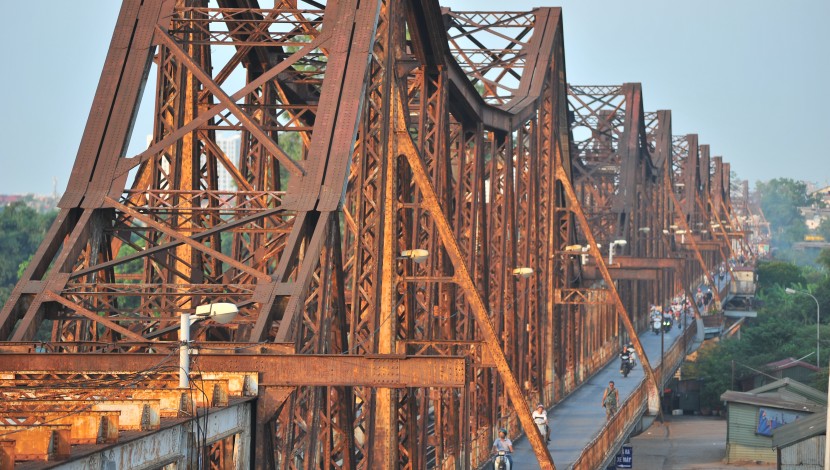
Today, Long Bien Bridge has become one of the city's favorite photography locations.
Walking across the bridge feels like stepping into another era. Rusted steel beams, narrow railway tracks, bicycles, motorbikes, and pedestrians all share the same space, creating an atmosphere unlike anywhere else in Vietnam.
The bridge is especially beautiful during sunrise.
As the first rays of sunlight illuminate the Red River, local fishermen cast their nets below while morning mist drifts across the water. The soft golden light creates dramatic silhouettes, making it one of the best places in Hanoi for landscape and street photography.
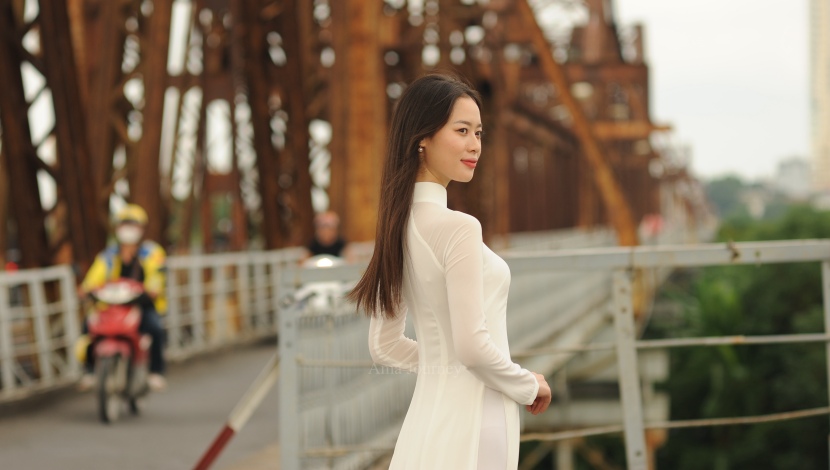
For portrait photographers, the aged iron structure provides a timeless backdrop that beautifully contrasts with traditional Vietnamese clothing such as the Ao Dai.
Photography Tips
• Visit before 7:00 AM to avoid crowds.
• Use a wide-angle lens to emphasize the bridge's impressive steel architecture.
• Stay aware of approaching trains and always keep a safe distance from the railway.
2. Hanoi Old Quarter – The Soul of the Capital
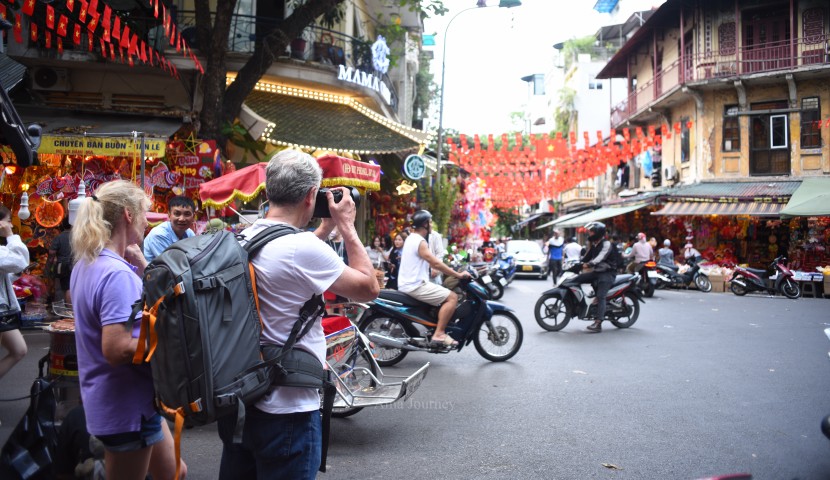
No photography guide to Hanoi would be complete without exploring the legendary Old Quarter.
Dating back more than 1,000 years, this maze of narrow streets has long been the commercial heart of the city. Each street was traditionally dedicated to a specific trade, giving rise to names such as Silk Street, Silver Street, and Bamboo Street.
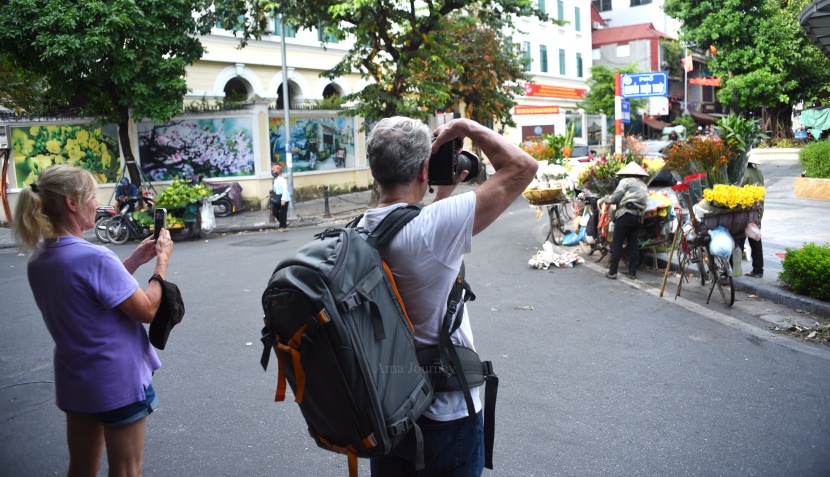
Today, the Old Quarter remains one of the most vibrant places to experience everyday life in Vietnam.
Photographers will discover endless scenes waiting around every corner:
• Elderly residents enjoying morning tea.
• Cyclo drivers patiently waiting for passengers.
• Street vendors balancing baskets of tropical fruit.
• Colorful shopfronts displaying handmade crafts.
• Scooters weaving through narrow streets.
• Ancient tube houses standing beside charming French colonial buildings.
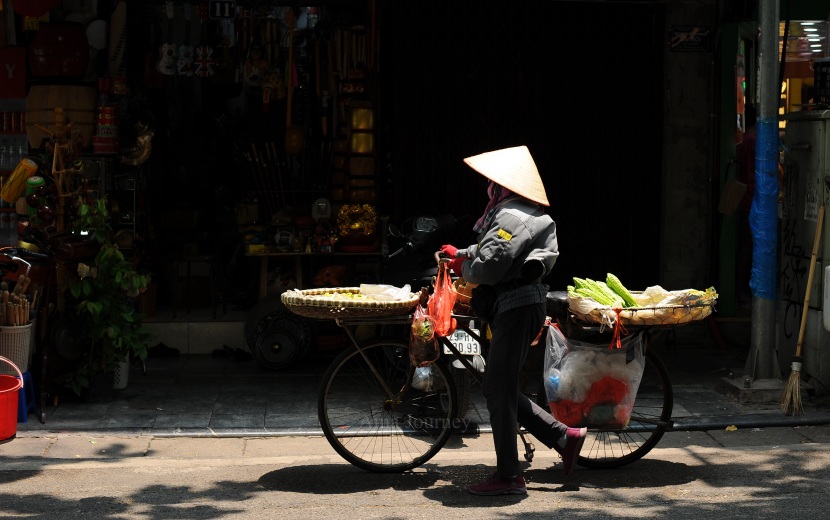
The Old Quarter is not about photographing famous landmarks—it's about capturing authentic moments. Every visit feels different because the streets constantly change throughout the day.
Early mornings reveal peaceful markets and locals exercising, while evenings transform the neighborhood into a lively destination filled with lanterns, cafés, and delicious street food.
Best Streets for Photography. Some of the most photogenic streets include:
• Hang Ma Street
• Ta Hien Street
• Hang Gai Street
• Lan Ong Street
• Hang Buom Street
Each offers its own distinct atmosphere and photographic opportunities.
3. Hoan Kiem Lake – The Heart of Hanoi
If Long Bien Bridge represents Hanoi's history, Hoan Kiem Lake represents its soul.
Located in the center of the city, the lake has been an important gathering place for centuries.
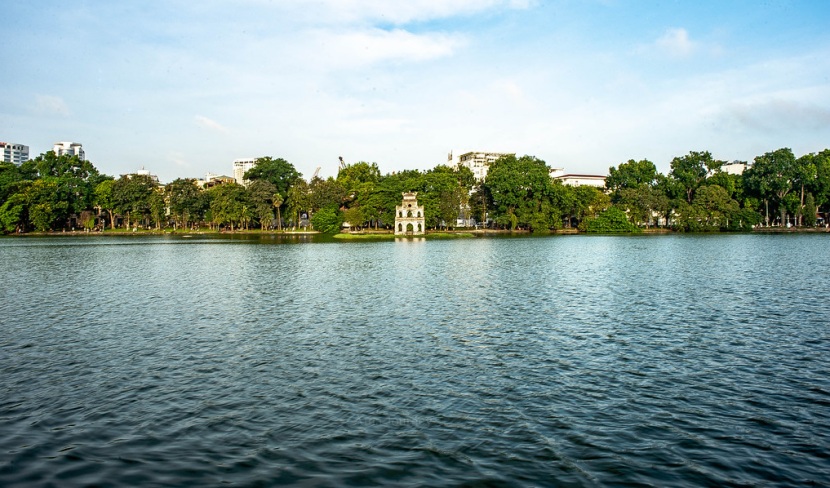
According to Vietnamese legend, Emperor Le Loi returned the magical sword to the Golden Turtle God here after defeating foreign invaders, giving the lake its name—"Lake of the Returned Sword."
Today, Hoan Kiem Lake is one of Hanoi's most photographed locations.
Early every morning, hundreds of local residents gather around the lake to practice tai chi, dance, jog, or simply enjoy the peaceful atmosphere.
For photographers, these daily activities provide wonderful opportunities to document authentic local life.
At the center of the lake stands the iconic Turtle Tower, beautifully reflected in calm water during sunrise.
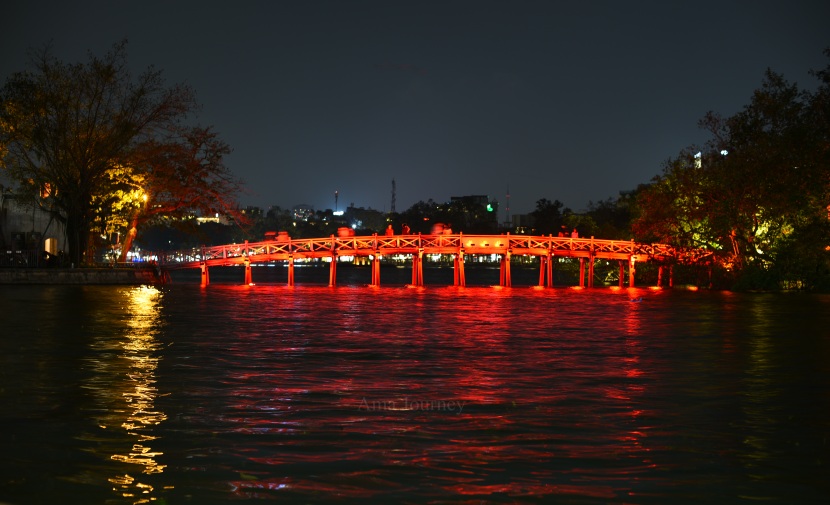
Just across the famous red-painted Huc Bridge lies Ngoc Son Temple, another excellent location for photography thanks to its elegant traditional architecture.
As evening approaches, the city lights begin reflecting across the lake, creating romantic scenes that attract photographers from around the world.
During weekends, the surrounding streets become pedestrian-only, allowing visitors to photograph Hanoi's vibrant street performances, musicians, artists, and cultural activities without traffic.
Photography Tips
• Sunrise offers the softest light and the fewest visitors.
• Sunset provides beautiful reflections on the lake.
• Weekend evenings are perfect for capturing Hanoi's lively atmosphere.
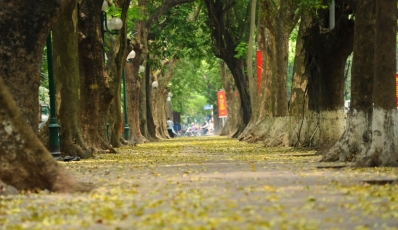
4. Phan Dinh Phung Street – Hanoi's Most Elegant Boulevard
If Hanoi has a street that perfectly captures elegance and timeless beauty, it is undoubtedly Phan Dinh Phung Street.
Lined with towering dracontomelon trees that have shaded the avenue for generations, this peaceful boulevard offers a refreshing contrast to the vibrant energy of the Old Quarter. Wide sidewalks, French colonial villas, and the gentle rhythm of local life create a setting that feels both romantic and nostalgic.
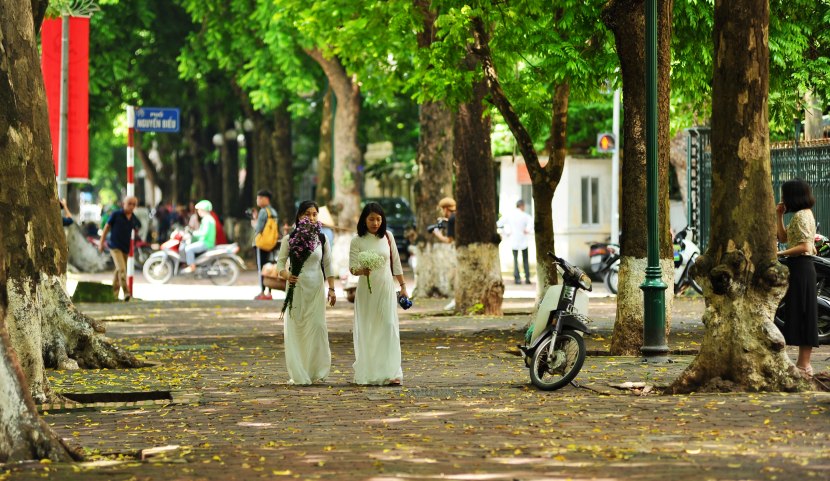
Throughout the year, the changing seasons transform the street into an ever-changing canvas. In spring, fresh green leaves filter soft sunlight onto the pavement. During autumn, golden leaves carpet the sidewalks, creating one of Hanoi's most beloved photography scenes.
It's no surprise that many Vietnamese choose this street for Ao Dai portraits, wedding photography, and graduation photos.
For travel photographers, Phan Dinh Phung offers more than beautiful architecture—it captures the quiet charm of everyday Hanoi.
Photography Tips
• Visit between 6:30 AM and 8:00 AM for the softest natural light.
• Autumn (September to November) offers the most picturesque scenery.
• A medium telephoto lens works beautifully for portraits beneath the tree canopy.
5. Phung Hung Mural Street – Where Hanoi's Past Meets Contemporary Art
Just outside the Old Quarter, Phung Hung Mural Street tells the story of Hanoi through vibrant public art.
Painted beneath the historic railway arches, the murals celebrate scenes from the city's past—traditional markets, old trams, street vendors, children's games, and everyday moments that shaped generations of Hanoians.
Walking along the street feels like strolling through an open-air gallery.
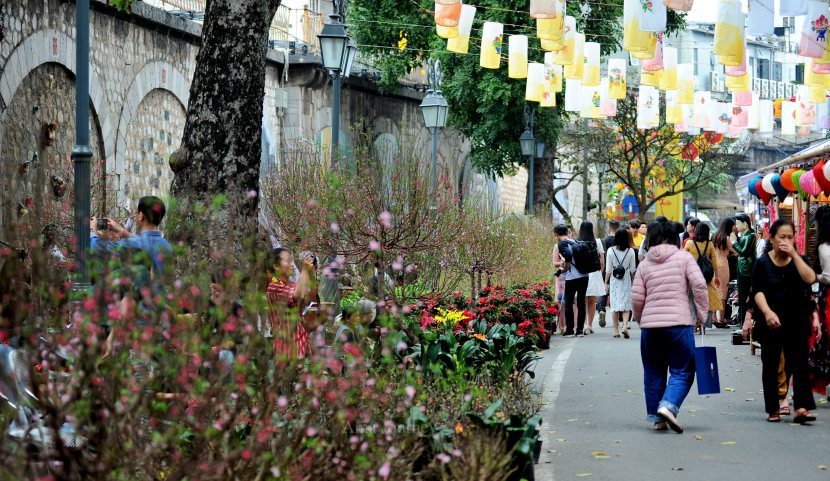
Many murals are painted in three-dimensional style, inviting visitors to interact with the artwork and become part of the scene. Families, couples, and photographers often stop to recreate the nostalgic moments depicted on the walls.
The colorful murals also provide an attractive contrast to the aged stone arches above, creating compositions that blend history with creativity.
Whether you're interested in street photography or simply looking for unique backgrounds, Phung Hung Mural Street offers endless inspiration.
Photography Tips
• Morning light provides the most even illumination.
• A wide-angle lens helps capture both the murals and the historic railway arches.
• Look for candid interactions between visitors and the artwork.
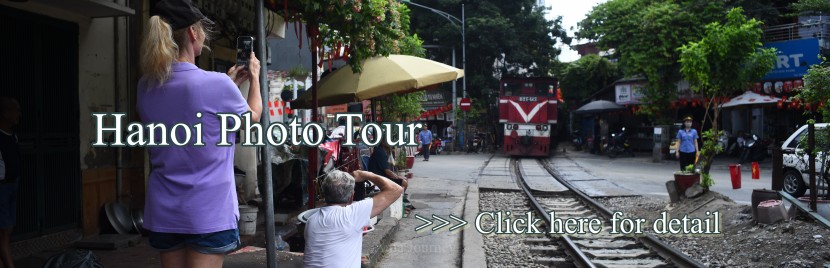
6. Hanoi Train Street – A Truly Unique Photography Experience
Few places in the world are as instantly recognizable as Hanoi Train Street.
Hidden within a narrow residential neighborhood, the railway passes just a few feet from cafés, homes, and flower-filled balconies. Life here unfolds quietly until the warning signals sound and everyone prepares for the train's arrival.
Within moments, tables are folded away, visitors step back, and the train slowly rolls through the heart of the neighborhood before daily life resumes as if nothing had happened.
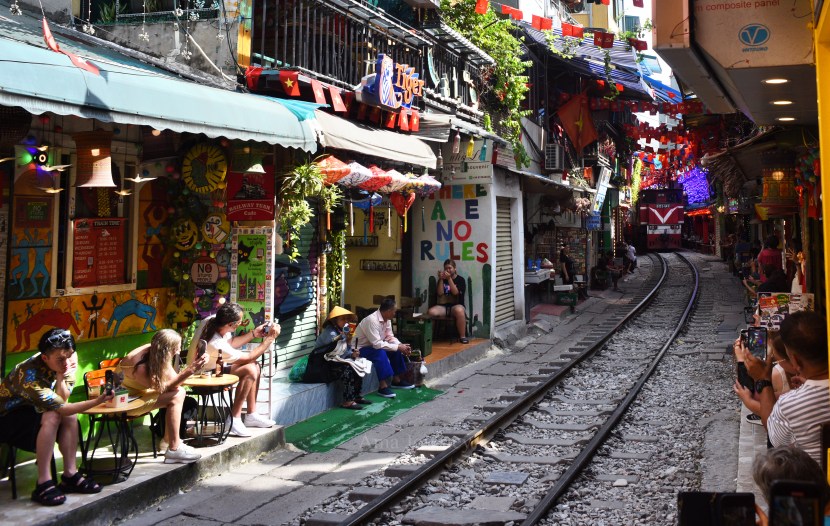
This remarkable blend of ordinary life and extraordinary circumstances has made Train Street one of Hanoi's most famous photography locations.
Beyond the dramatic train itself, photographers will also discover charming cafés, colorful storefronts, friendly residents, and countless authentic street scenes.
Photography Tips
• Always visit cafés that operate within the approved visitor areas and follow staff instructions.
• Arrive well before the scheduled train time.
• Respect safety barriers and never stand on the tracks.
7. Imperial Citadel of Thang Long – More Than One Thousand Years of History
Recognized as a UNESCO World Heritage Site, the Imperial Citadel of Thang Long is one of Vietnam's most important historical landmarks.
For more than thirteen centuries, this royal complex served as the political center of successive Vietnamese dynasties, preserving the nation's rich cultural heritage beneath its ancient walls.
Unlike the lively atmosphere of Hanoi's streets, the citadel offers peaceful courtyards, imposing gates, and spacious gardens where history quietly reveals itself.
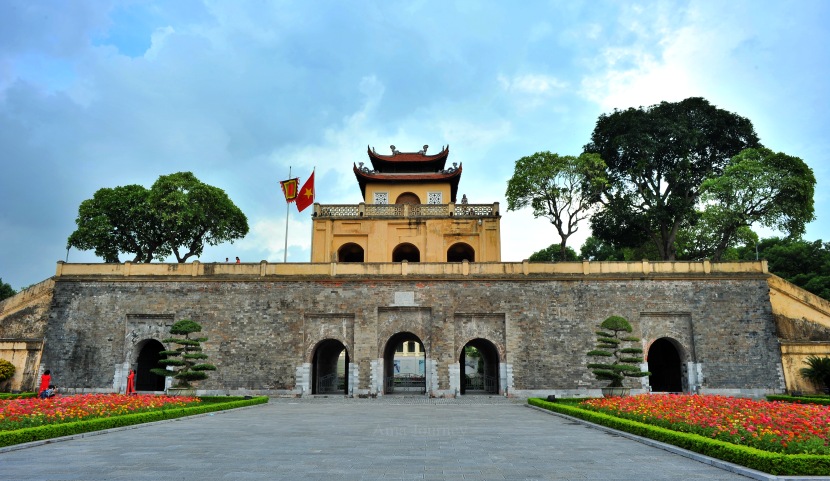
Photographers can admire the magnificent Doan Mon Gate, elegant dragon stairways, archaeological excavations, and beautifully restored palace structures.
The combination of historical architecture, open spaces, and mature trees creates a timeless setting that feels worlds away from the modern city surrounding it.
Photography Tips
• Visit early in the morning for fewer visitors.
• The symmetrical architecture is ideal for wide-angle compositions.
• Portrait photography works particularly well around the ancient gateways and courtyards.
8. Temple of Literature – Vietnam's Symbol of Wisdom
Founded in 1070, the Temple of Literature is not only one of Hanoi's most beautiful landmarks but also Vietnam's first national university.
Dedicated to Confucius and generations of scholars, the temple has long symbolized education, knowledge, and academic excellence.
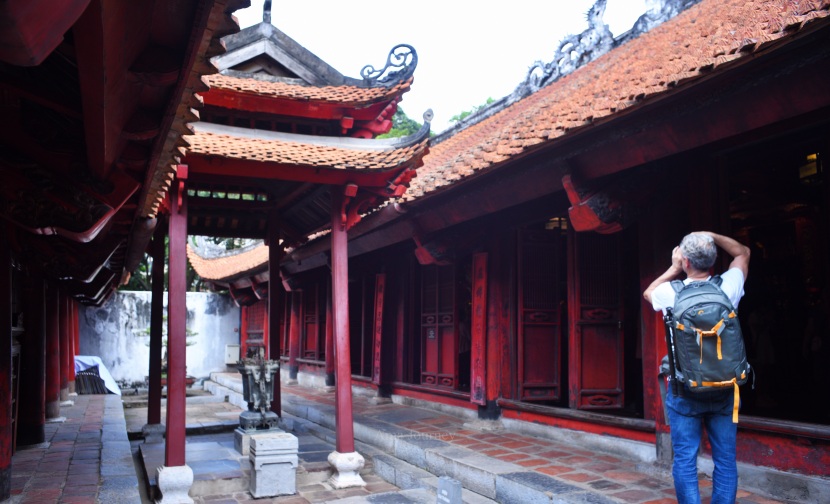
Its graceful courtyards, peaceful lotus ponds, red wooden pavilions, and ancient stone stelae create one of Hanoi's most harmonious architectural settings.
Every detail reflects traditional Vietnamese aesthetics, from curved tiled roofs to beautifully balanced gardens.
The temple is especially popular among photographers because every courtyard offers clean lines, elegant symmetry, and soft natural light.
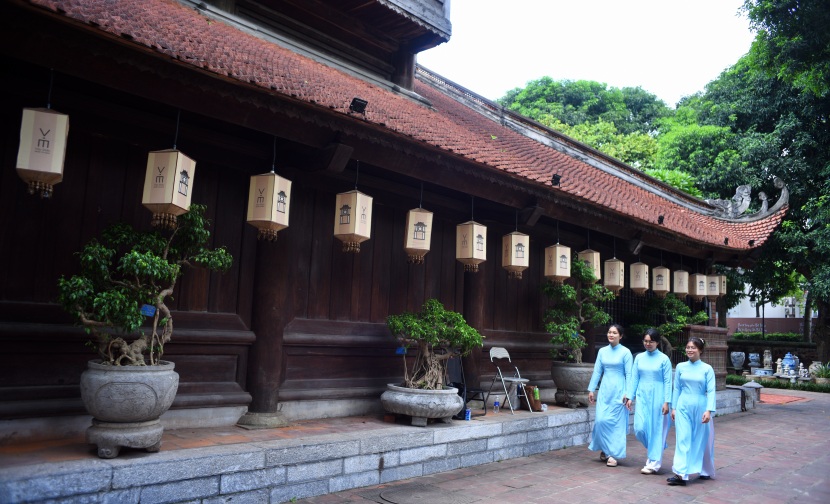
Many visitors also choose to wear the traditional Ao Dai, adding a timeless cultural element to their portraits.
Photography Tips
• Morning light creates beautiful shadows across the courtyards.
• Respect the quiet atmosphere while photographing.
• Look for reflections around the lotus ponds after rainfall.
9. St. Joseph's Cathedral – A Touch of Europe in Hanoi
Standing proudly in the heart of Hanoi, St. Joseph's Cathedral introduces visitors to a completely different side of the city.
Built in 1886 during the French colonial period, the cathedral showcases impressive Neo-Gothic architecture inspired by Notre-Dame de Paris.
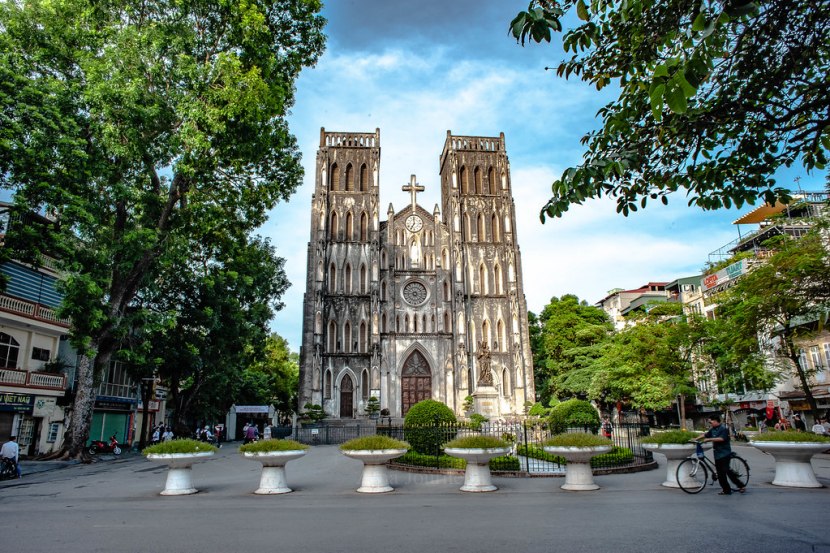
Its towering twin bell towers, stained-glass windows, and weathered stone façade create a striking contrast against the surrounding Vietnamese streets.
Throughout the day, the square in front of the cathedral becomes a lively gathering place where locals enjoy coffee, children play, and visitors admire the historic architecture.
As evening falls, warm lights illuminate the cathedral, creating a magical atmosphere perfect for night photography.
Photography Tips
• Visit shortly after sunrise for unobstructed views.
• Evening offers dramatic architectural lighting.
• A wide-angle lens captures the cathedral beautifully from the square.
10. Hanoi Opera House – French Colonial Elegance
Few buildings represent Hanoi's colonial heritage as beautifully as the Hanoi Opera House.
Completed in 1911 and inspired by the famous Palais Garnier in Paris, the opera house remains one of Southeast Asia's finest examples of French architecture.
Its elegant columns, grand staircases, ornate balconies, and pastel-yellow façade have made it a favorite destination for architecture enthusiasts and photographers alike.
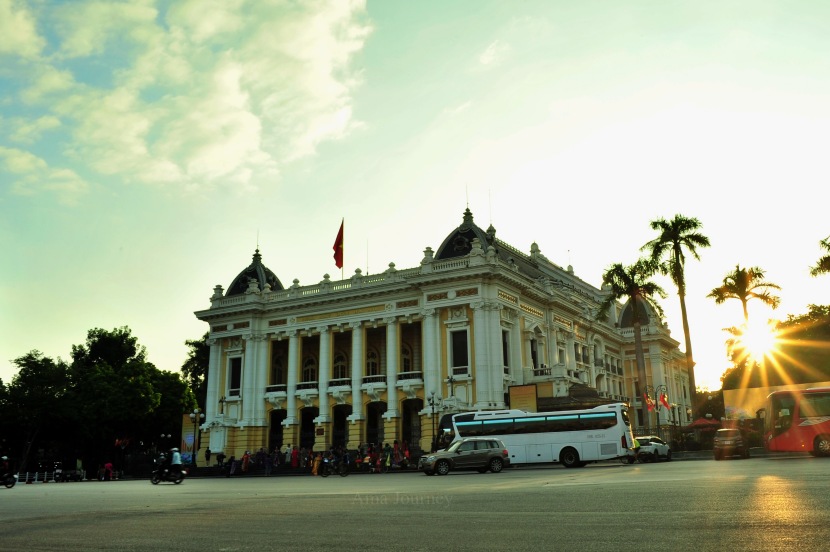
During the day, sunlight highlights the intricate decorative details, while after sunset the illuminated façade becomes one of the city's most photogenic landmarks.
The surrounding streets, lined with historic buildings and luxury hotels, provide countless opportunities for elegant urban photography.
Photography Tips
• Late afternoon produces warm golden light on the facade.
• Blue hour is ideal for architectural photography.
• Experiment with reflections after rain for creative compositions.